If you're searching for quarry drill Indiana County, PA information, you're likely managing an active aggregate site, planning a project near one, or vetting a blasting crew before signing a contract. Quarry drilling, also called blast hole drilling, bores precise holes into rock so crews can load explosives for controlled fragmentation. Indiana County's long history of sandstone and limestone extraction means local demand for experienced drilling crews has never really slowed, and knowing what separates a safe operation from a risky one matters before the first hole goes in.
Visit Adirondack Land Management to see our services and request a free estimate.
What Quarry Drilling Actually Involves
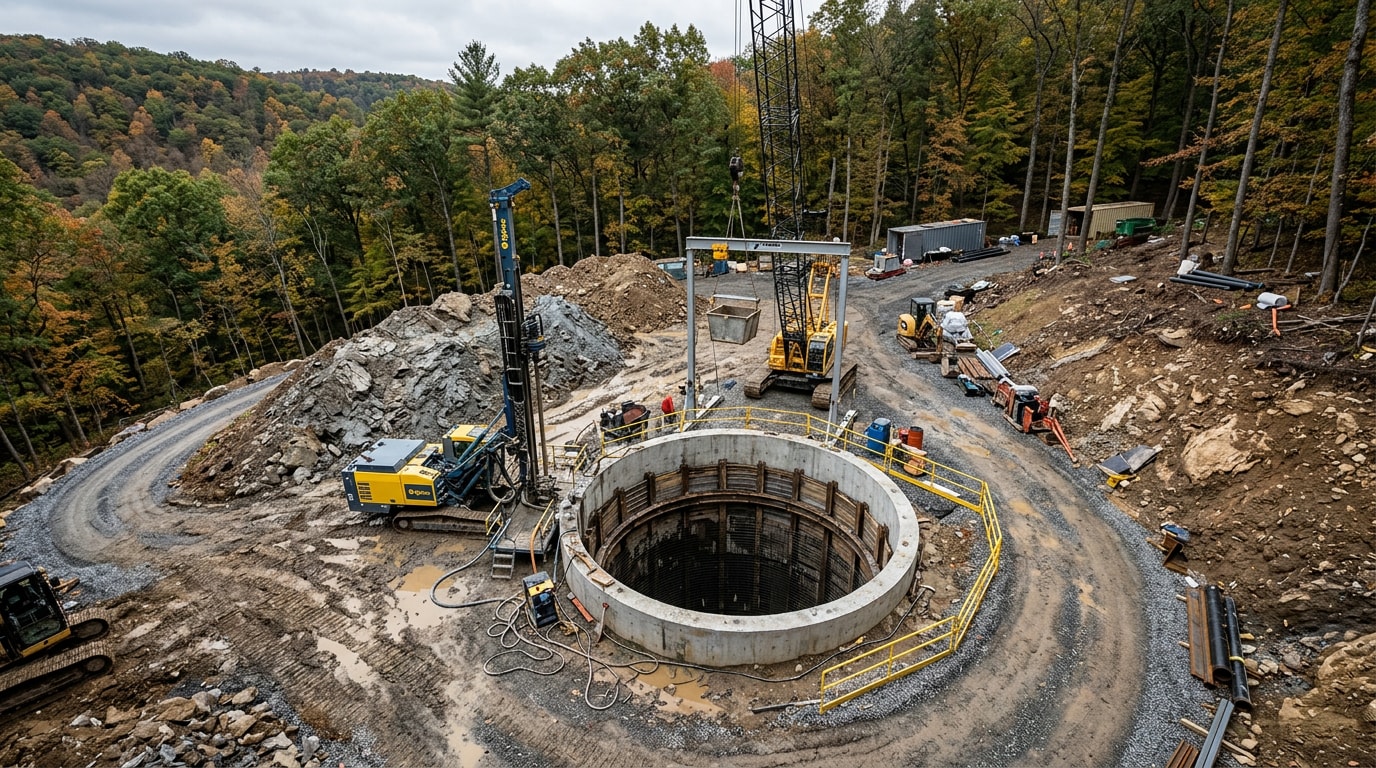
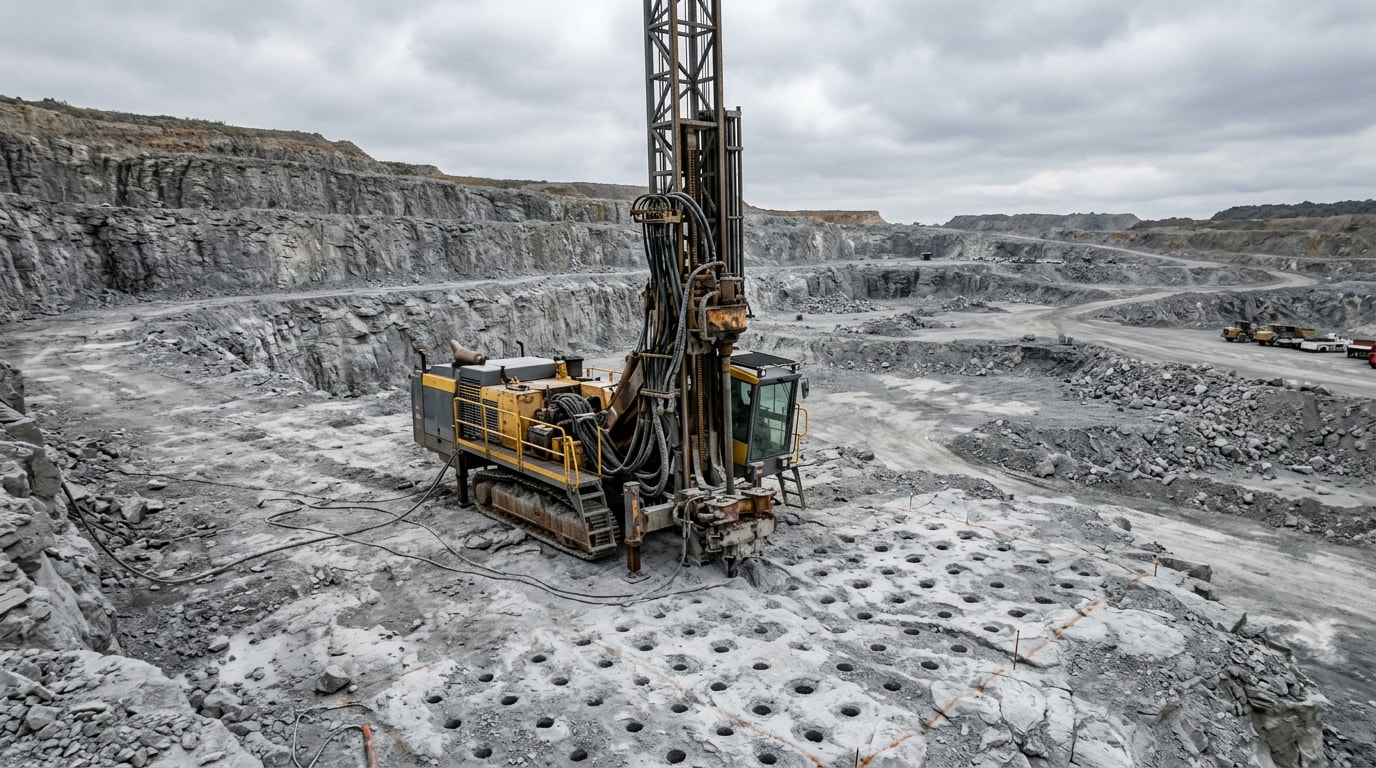
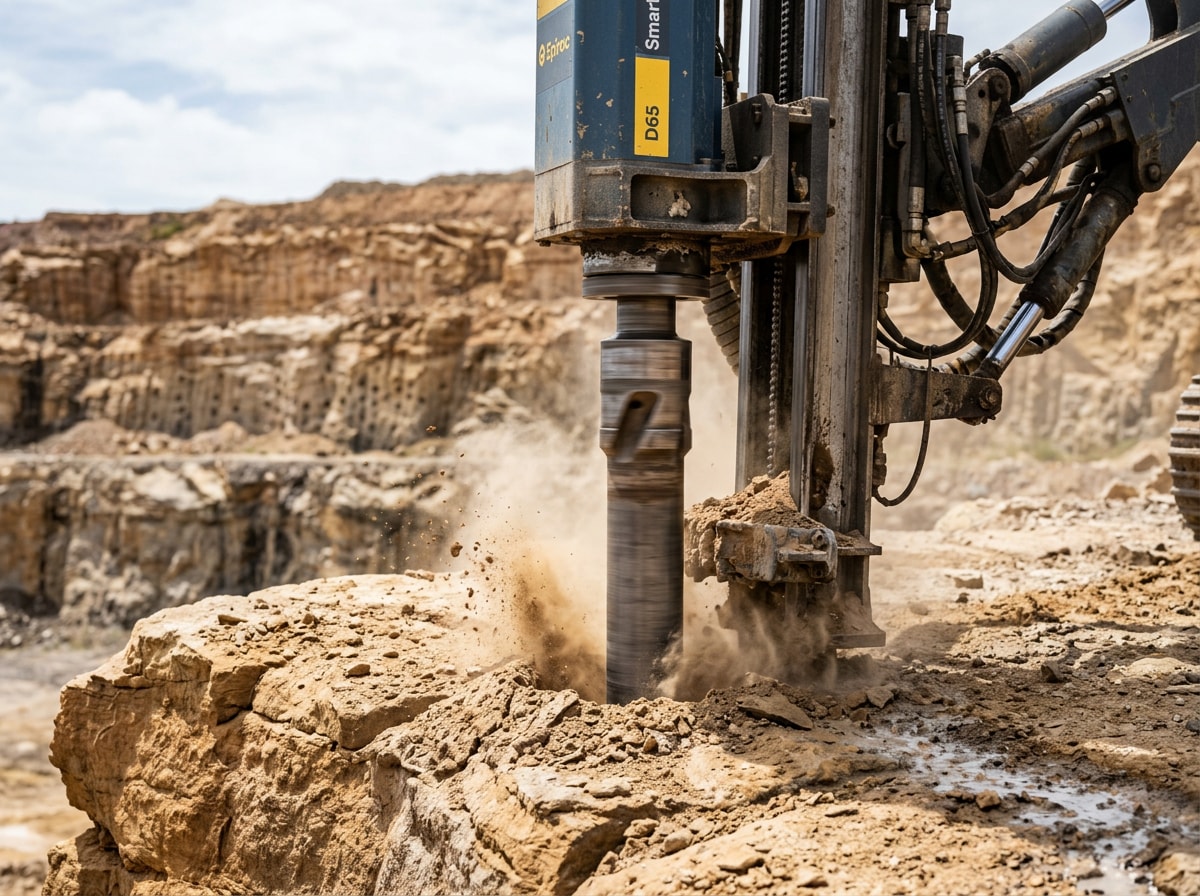
Quarry drilling sounds simple from the outside, but the process is more technical than most property owners expect. A crew uses specialized rigs to drill a pattern of holes into a rock face or bench, following a spacing plan engineered to control exactly how the rock breaks apart once charges are detonated.
The goal isn't just to loosen rock. It's to fragment it into pieces that are economical to load, haul, and crush into usable aggregate. Drilling into rock creates a blasthole into which explosives can then be loaded , and the hole pattern a crew chooses has a direct downstream effect on everything from haul-truck loading time to crusher wear.
Several variables drive the final drill plan on any given site:
- Rock type and bedding. Sandstone and limestone behave differently under load, which changes burden and spacing calculations.
- Bench height. Taller rock faces may require deeper holes or staged drilling passes.
- Production targets. Operations moving large tonnage daily plan differently than a one-time excavation blast.
- Fragment size needed.
Larger-diameter holes with wider spacing tend to generate coarser fragmentation , while quarries and construction blasting jobs using small-bucket loaders typically need smaller hole diameters to produce finer fragments .
A contractor who walks through these variables before quoting a flat per-hole price is generally one worth trusting with rock blasting on your site.
Sandstone and Limestone Operations in Indiana County
This isn't an abstract topic for Indiana County. The region has multiple working quarries that depend on precision drilling and blasting to keep production moving.
Penn Run Quarry has operated as a family-owned business for more than 15 years , with its Spruce Mine site producing sandstone-based aggregates since 2006 . Ridge Limestone, owned by Neiswonger Construction, sits in Young Township near Iselin and West Lebanon, and the company has been active in the mining industry for more than 40 years . Operations like these are exactly why blast hole drilling demand in this county has stayed consistent rather than cyclical.
Quarry Drilling vs. Water Well and Geothermal Drilling
People searching for a drilling contractor sometimes conflate quarry drilling with residential well or geothermal work. The equipment, hole size, and purpose are all different.
| Drilling Type | Typical Hole Diameter | Primary Purpose | Explosives Involved |
|---|---|---|---|
| Quarry / Blast Hole | Wide, drilled in repeating patterns | Fragment rock for crushing into aggregate | Yes |
| Water Well | Narrow, single borehole | Access groundwater | No |
| Geothermal | Narrow, arranged in a field pattern | Install pipes for heating/cooling loops | No |
Quarry drilling is the only one of the three built specifically to prepare rock for a controlled blast and subsequent crushing.
Licensing, Permits, and Safety Requirements in Pennsylvania
Quarry drilling and blasting in Pennsylvania are tightly regulated, and that's a good thing for anyone living or working near an active site.
Federal training. Anyone working on a surface aggregate site generally needs MSHA training before they're allowed on-site. Workers at surface stone, sand, gravel, and surface limestone mines are required to complete health and safety training under 30 CFR Part 46 , and new miners must complete 24 hours of training, with at least 4 hours finished before work begins .
State permits. Before any blast, a Blasting Activity Permit or an approved Module 16 Blast Plan is generally required , and the Pennsylvania One Call System must be contacted before any excavation activity, including blasting, begins .
Blaster licensing. Pennsylvania issues different blaster certifications depending on the type of work. A General Surface Blaster license covers all types of above-ground blasting except demolition of manmade structures , while a Surface Excavation Blaster – Surface Mining license covers above-ground blasting specifically for surface mining operations .
Before hiring anyone, ask to see:
- Current MSHA training records for the crew, not just supervisors
- A copy of the blaster's state license and classification
- Proof of an active DEP blasting permit or permit-by-rule status
- General liability insurance coverage specific to blasting work
How Adirondack Land Management Supports Quarry and Aggregate Site Work
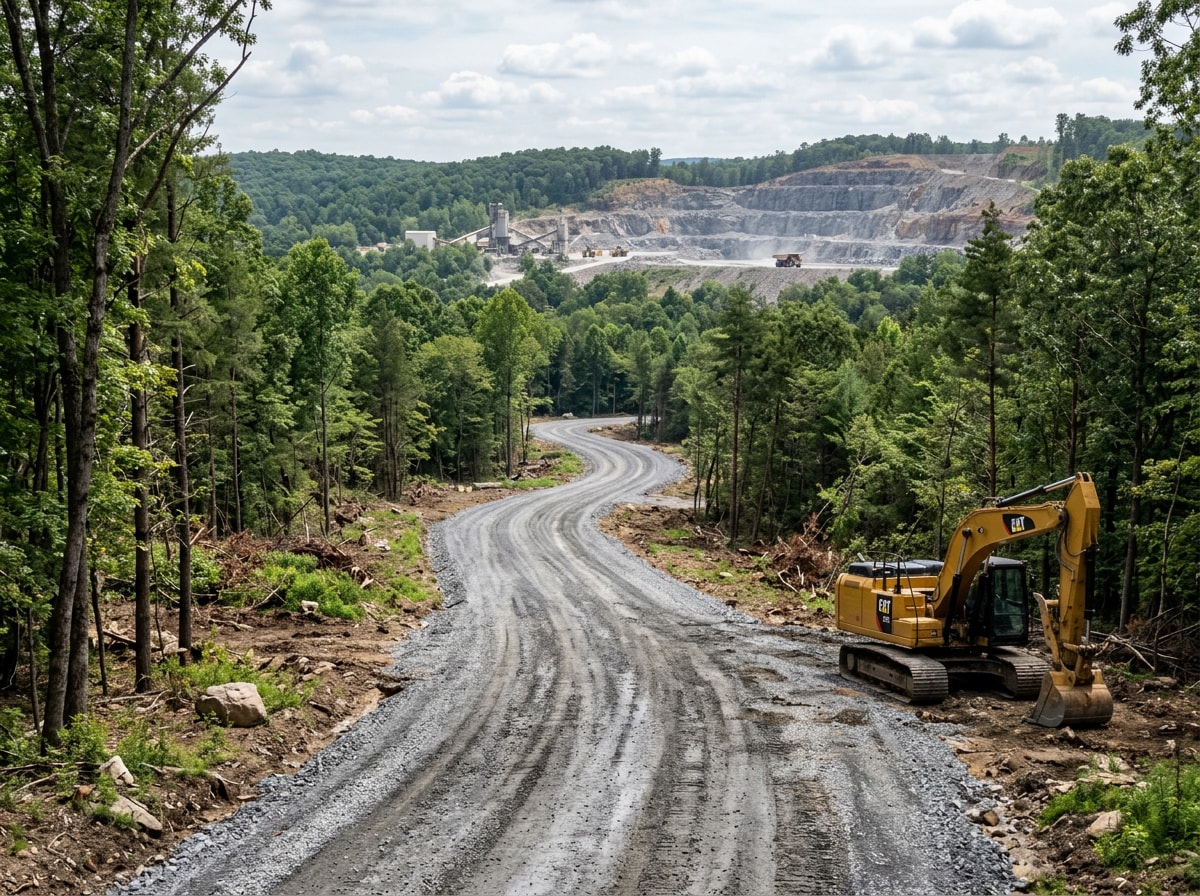
We'll be straightforward here: Adirondack Land Management doesn't drill blast holes or handle explosives. What we do regularly is the site work that happens on either side of a drilling and blasting operation in Indiana County and the surrounding region.
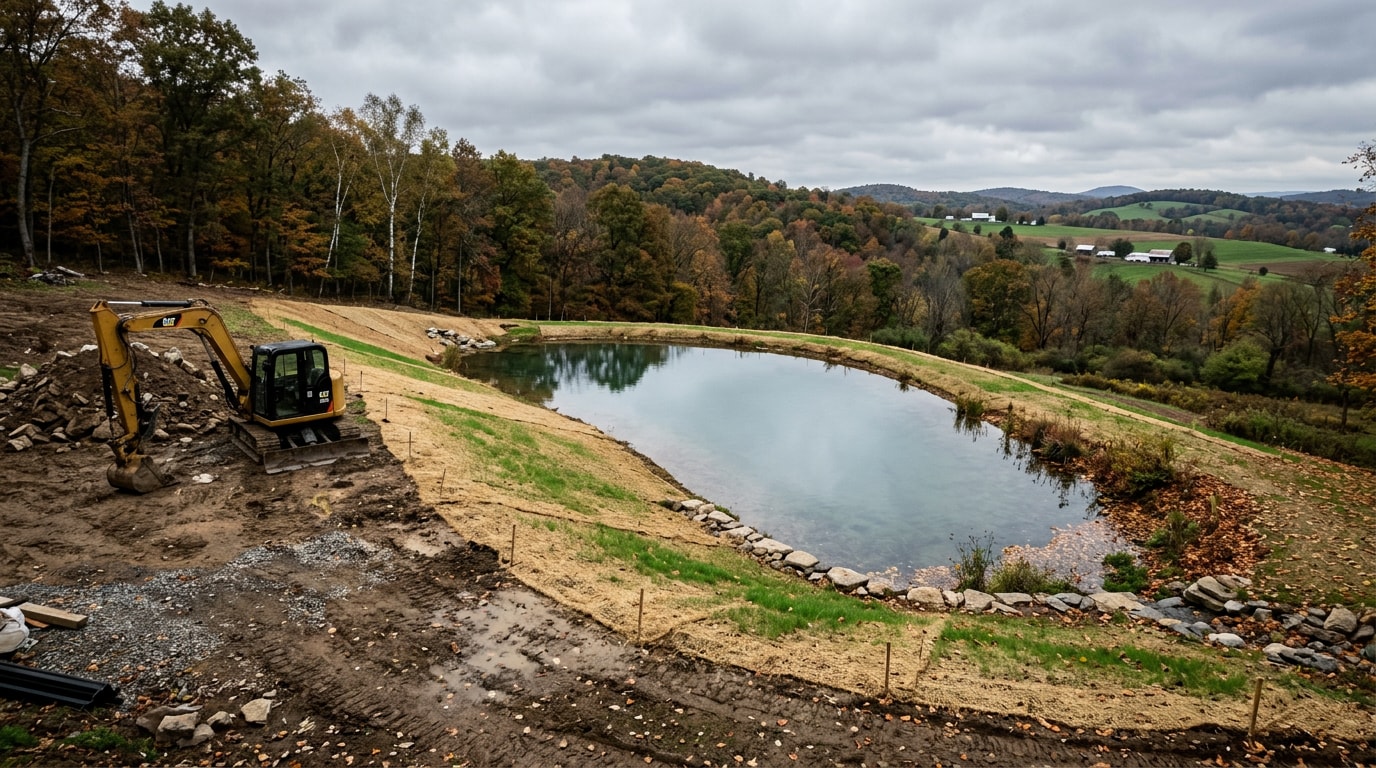
That includes clearing vegetation and timber from new bench access routes, grading and preparing haul roads, cutting drainage to keep a bench dry during wet seasons, and hauling or grading aggregate once a blast is complete. On our own projects, we've coordinated directly with licensed blasting contractors to make sure access roads, drainage, and staging areas are ready before a drill rig ever mobilizes, which avoids the kind of scheduling gaps that stall an entire blast sequence.
If your project involves a quarry, an aggregate site, or rock removal on a development parcel, our land clearing and excavation crews can prep the ground before specialists arrive and finish the grading once they're done. We also handle site preparation and drainage and utility installation for sites throughout Indiana County, PA. For related rock and structure removal work in the county, our guide on demolition contractors in Indiana County, PA covers the hiring process in more detail.
Get a Free Estimate from our team if you need site prep, access road clearing, or grading work coordinated around a drilling or blasting schedule.
What to Ask Before Hiring a Quarry Drilling Contractor
Two things separate a reliable crew from one that causes delays or safety incidents: equipment condition and industry relationships.
Fleet condition. A modern, well-maintained drill rig with an enclosed, MSHA-compliant cab holds tolerances more consistently across long shifts. A rig that breaks down mid-pattern can delay an entire blast sequence and push back hauling crews behind it.
Industry relationships. Drilling is only one piece of a successful blast. The contractor also needs a working relationship with a licensed blaster and a reliable explosives supplier to keep the project moving without compliance gaps. Crews that have worked together for years tend to catch permitting or supply issues before they turn into delays.
Ask any contractor you're evaluating to walk through their equipment maintenance schedule and name the blaster they work with regularly. Vague answers on either question are a reason to keep looking.
About the Author
This guide was written by the site operations team at Adirondack Land Management, a western Pennsylvania land clearing and excavation contractor serving Indiana, Armstrong, Westmoreland, and surrounding counties. Our crews regularly stage access roads, drainage, and grading work around active quarry and aggregate operations, which is where the on-the-ground details in this guide come from. Questions about a specific site? Contact us directly.
FAQ
What is quarry drilling, and how is it different from other types of drilling?
Quarry drilling creates blast holes used to break rock into crushed aggregate. Water-well drilling bores a single narrow shaft to reach groundwater, and geothermal drilling installs a field of narrow boreholes for heating and cooling pipes. All three bore into the ground, but the equipment, hole diameter, and end goal are completely different, as shown in the comparison table above.
What safety measures are in place during quarry drilling operations?
Licensed blasters, MSHA-trained crews, and state blasting permits work together to keep operations safe. Blasting generally requires a Blasting Activity Permit or an approved Module 16 Blast Plan before work begins , and a licensed blaster oversees charge design and detonation sequencing to prevent flyrock or excessive ground vibration.
What materials are typically extracted through quarry drilling?
In Indiana County, blast hole drilling most commonly supports extraction of crushed aggregate from sandstone and limestone, plus stone dust as a crushing byproduct. The exact mix depends on each site's geology, and hole diameter directly affects fragment size, which determines how much processing the material needs afterward.
Does Adirondack Land Management perform blast hole drilling or blasting?
No. We're a land clearing and excavation contractor, not a licensed blasting company. What we do is handle the site prep, access road clearing, grading, and drainage work that surrounds a quarry or aggregate project, often coordinating directly with the licensed blasting contractor on timing.
How much does quarry drilling cost in Indiana County, PA?
Cost depends on hole diameter, drilling depth, rock hardness, and how many holes the pattern requires, so there's no reliable flat rate to quote without a site visit. A contractor who asks about your rock type and bench height before giving a number is more trustworthy than one who quotes off a square-footage estimate alone. If your project needs site prep work before or after drilling, request a free estimate and we can scope that portion directly.