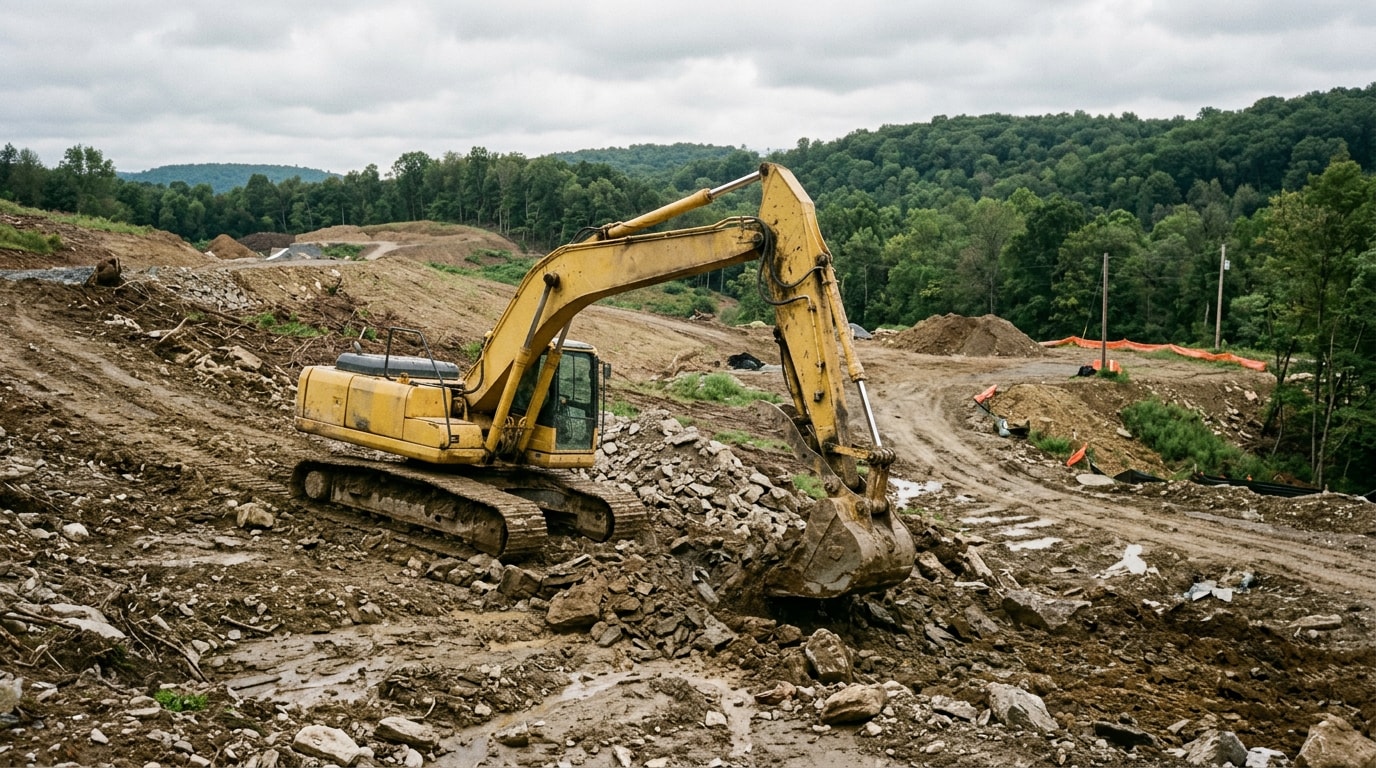
A hydro excavation truck rental in Allegheny County, PA usually comes down to one question: does renting beat buying for your project, or your season? Between century-old utility lines, steep hillside lots, and dense urban streets, the county is exactly the kind of place where non-destructive digging earns its cost. This guide breaks down real rental rates, the rent-versus-buy math, and what to check before you sign anything.
This guide is based on the field experience of the excavation crew at Adirondack Land Management, who handle trenching, utility installation, and site excavation work across Allegheny County. On our own job sites, a hydrovac crew has daylighted a gas service line in under an hour in ground that would have taken a backhoe crew most of a morning to probe safely by hand.
What Is Hydro Excavation?
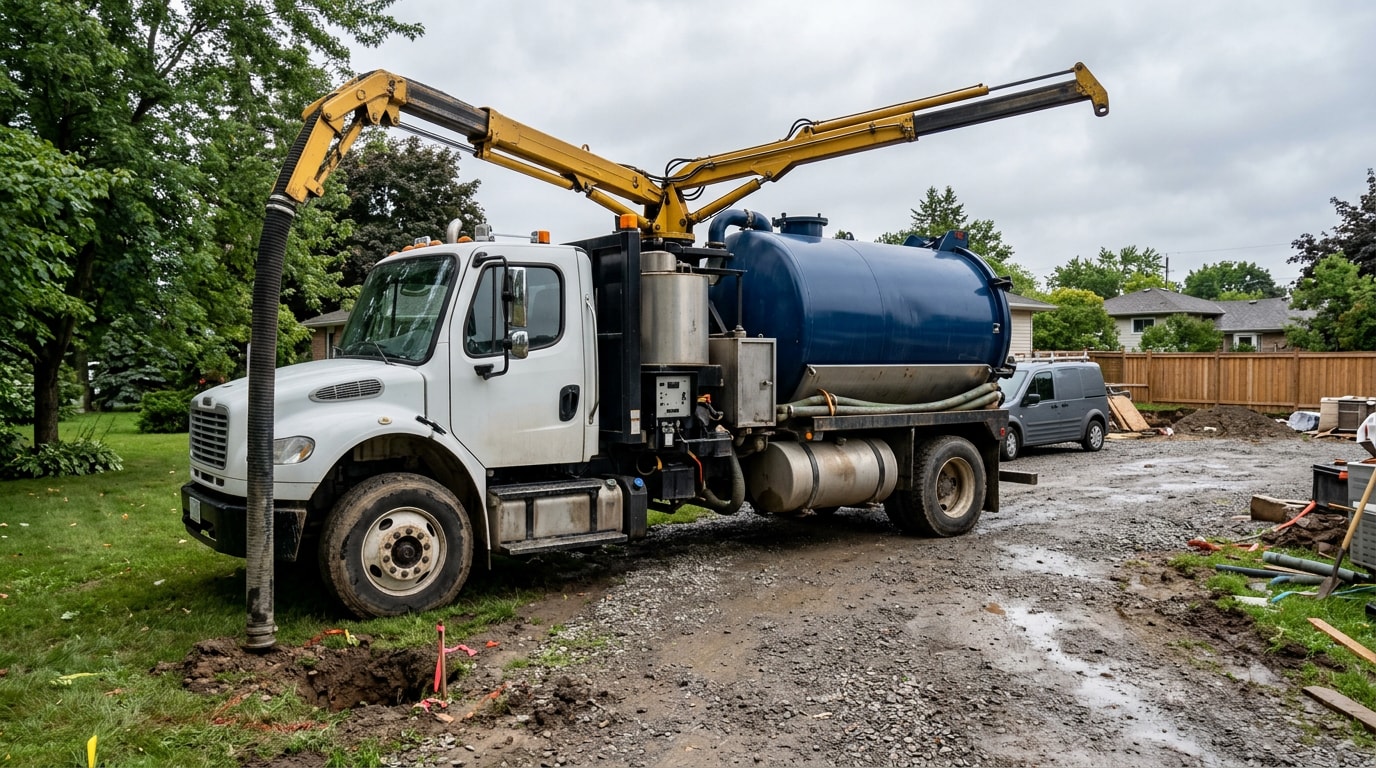
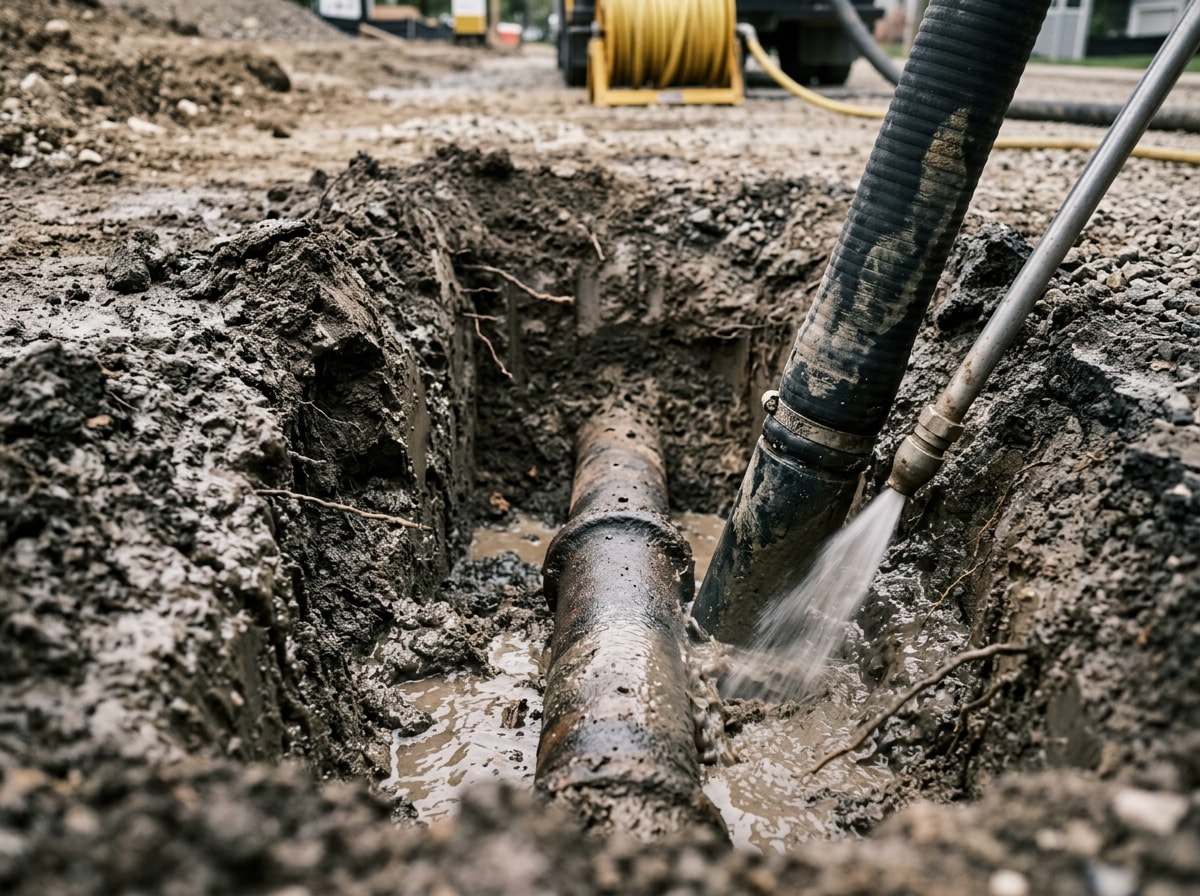
Hydro excavation, also called vacuum excavation or hydrovac digging, uses pressurized water to loosen soil and a powerful vacuum system to remove it. That exposes buried lines without the blunt force of a backhoe or auger. It's precise, non-destructive, and built for jobs near existing utilities. In a county with aging gas, water, and electrical infrastructure under many streets, that precision isn't a nice-to-have. It's often the difference between a clean dig and an expensive utility strike.
How Hydro Excavation Works
The process happens in two steps.
- Pressurized water breaks up compacted soil into a loose slurry.
- The vacuum system pulls that slurry through a hose into an onboard debris tank, leaving a clean, open hole behind.
Operators control a boom or hose that reaches into tight or elevated spots a standard excavator can't access. That reach, combined with adjustable water pressure, lets crews manage dig depth carefully and avoid damaging pipes, cables, or conduit hiding just below the surface.
Why Rent a Hydro Excavation Truck (vs. Buying)?
A new hydrovac truck typically runs $350,000 to $600,000, before factoring in maintenance, storage, and depreciation. Used units still land anywhere from $80,000 to $350,000 depending on age and hours. For contractors who only need the equipment for occasional or seasonal Allegheny County work, renting usually wins on cost efficiency alone. No loan, no idle equipment sitting in a yard between jobs.
There's also a safety angle. Hydro excavation reduces the risk of hitting a utility line compared to mechanical digging, and that risk reduction holds whether the truck is owned or rented. OSHA's excavation and trenching standards exist specifically because cave-ins and utility strikes remain among the most dangerous events on a dig site.
Rent vs. buy, side by side:
| Factor | Renting | Buying |
|---|---|---|
| Upfront cost | No six-figure capital outlay | $350K-$600K new, or $80K-$350K used |
| Maintenance | Rental provider typically handles service | Owner absorbs repairs and downtime |
| Break-even point | N/A | Generally pays off only above heavy annual use, often cited around several hundred billable hours per year |
| Best fit | One-off, seasonal, or occasional jobs | Full-time hydrovac operations with steady, year-round demand |
For most one-off or project-based needs in Allegheny County, renting is the more practical choice. If hydro excavation is part of a larger site package, our excavation services cover the grading, trenching, and prep work that typically surrounds it.
Typical Costs of Hydro Excavation Truck Rental
Rates vary by provider, but published industry pricing guides generally converge on similar ranges. Expect the numbers below to shift based on truck size, your region, and whether the rental includes an operator.
| Rental Term | Typical Rate Range | Best For |
|---|---|---|
| Daily | $1,500-$5,000/day | Quick, one-time digs |
| Weekly | $8,000-$15,000/week | Multi-day projects |
| Monthly | $15,000-$35,000/month | Extended or ongoing work |
Longer terms almost always lower the effective daily cost, so matching the rental length to your actual job timeline matters more than chasing the lowest headline rate.
Additional Costs to Consider
Base rental rates rarely cover everything. A few line items to ask about before you sign:
- Fuel charges, often billed separately since trucks burn diesel steadily during operation.
- Rental insurance, which may be required or optional depending on your existing coverage.
- Mobilization or transport fees, which apply if the truck needs to be delivered to your Allegheny County job site.
- Dump or disposal fees for the spoil slurry pulled out of the ground.
Ask for an itemized quote upfront so none of these show up as a surprise on the final invoice.
How to Choose the Right Hydro Excavation Truck Rental Provider
Vetting a rental provider comes down to confirming three things: who's operating the truck, whether the equipment fits your project, and who's covered if something goes wrong.
Before committing, ask the provider:
- Is the truck's safety inspection current, and what's its service history?
- How old is the unit, and has it had major repairs recently?
- Who carries insurance responsibility, you or the rental company?
- If an operator is included, what's their experience level and training background?
- Does the tank capacity match your dig volume, and is it rated for your soil conditions?
These questions apply to any provider you're evaluating. If you'd rather skip the guesswork on an Allegheny County project, reach out for a quote and we'll walk through the specifics with you.
Practical Tips for Using a Hydro Excavation Truck
Before any rental agreement starts, do a pre-rental inspection: check hoses for cracks or wear, confirm tank condition, and verify water and fuel levels are adequate for your first day of work.
Once operating, follow basic safety protocols:
- Fuel and water up before starting a job to avoid mid-dig interruptions.
- Stay alert to unmarked underground hazards even after a locate.
- Follow local regulations around hydrovac truck operation, noise, and work-hour restrictions.
These habits protect both the crew and the equipment you're renting. See our service area coverage for Allegheny County to check availability near your job site.
Common Applications of Hydro Excavation
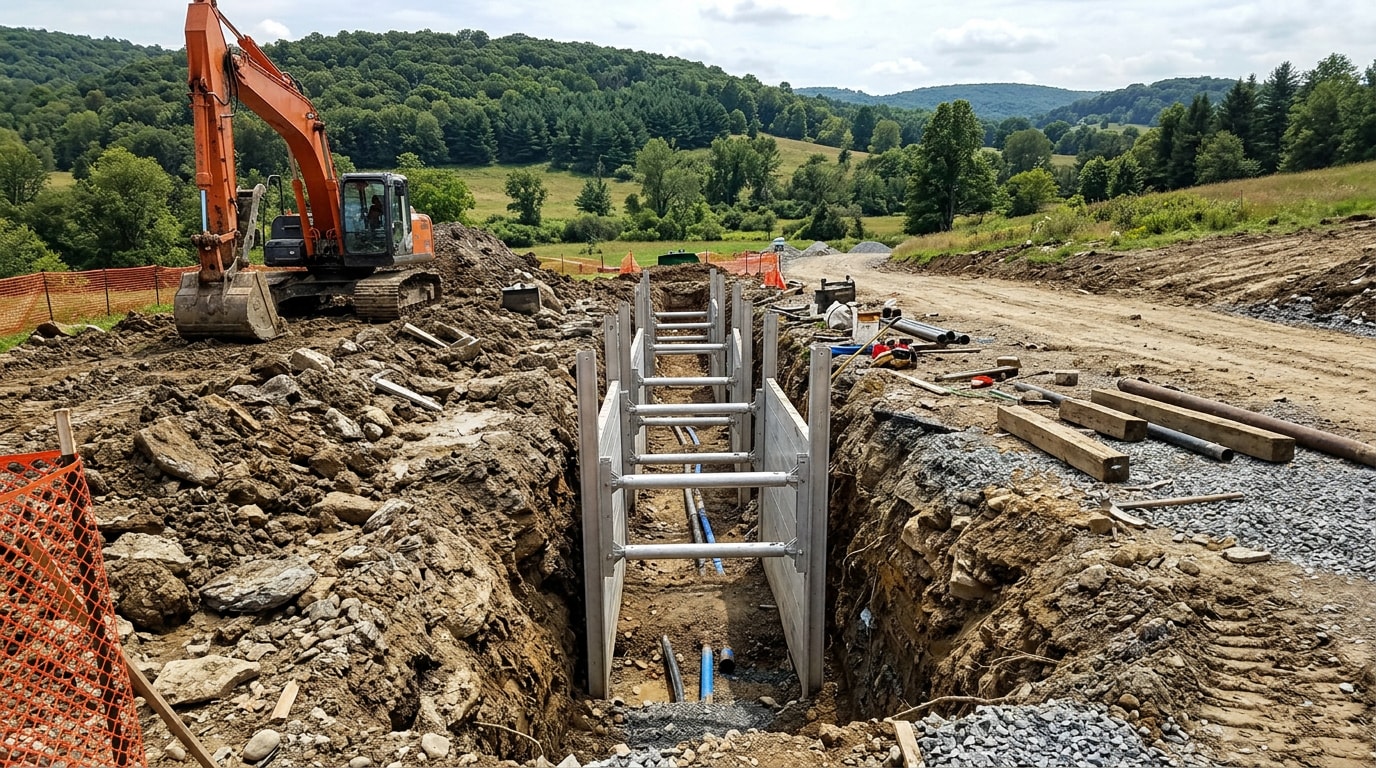
Hydro excavation shows up most often in utility daylighting and potholing, where crews need to confirm the exact location of a buried line before digging further. It's also common in trench work, pipeline exposure, and sewer or pipe repair, where precision matters more than speed. Crews handling waterline or sewer line installation often bring in hydro excavation ahead of trench excavation specifically to confirm what's already in the ground before equipment goes near it. The same daylighting logic applies on projects like footing excavation, where crews need a clean, verified dig line before pouring.
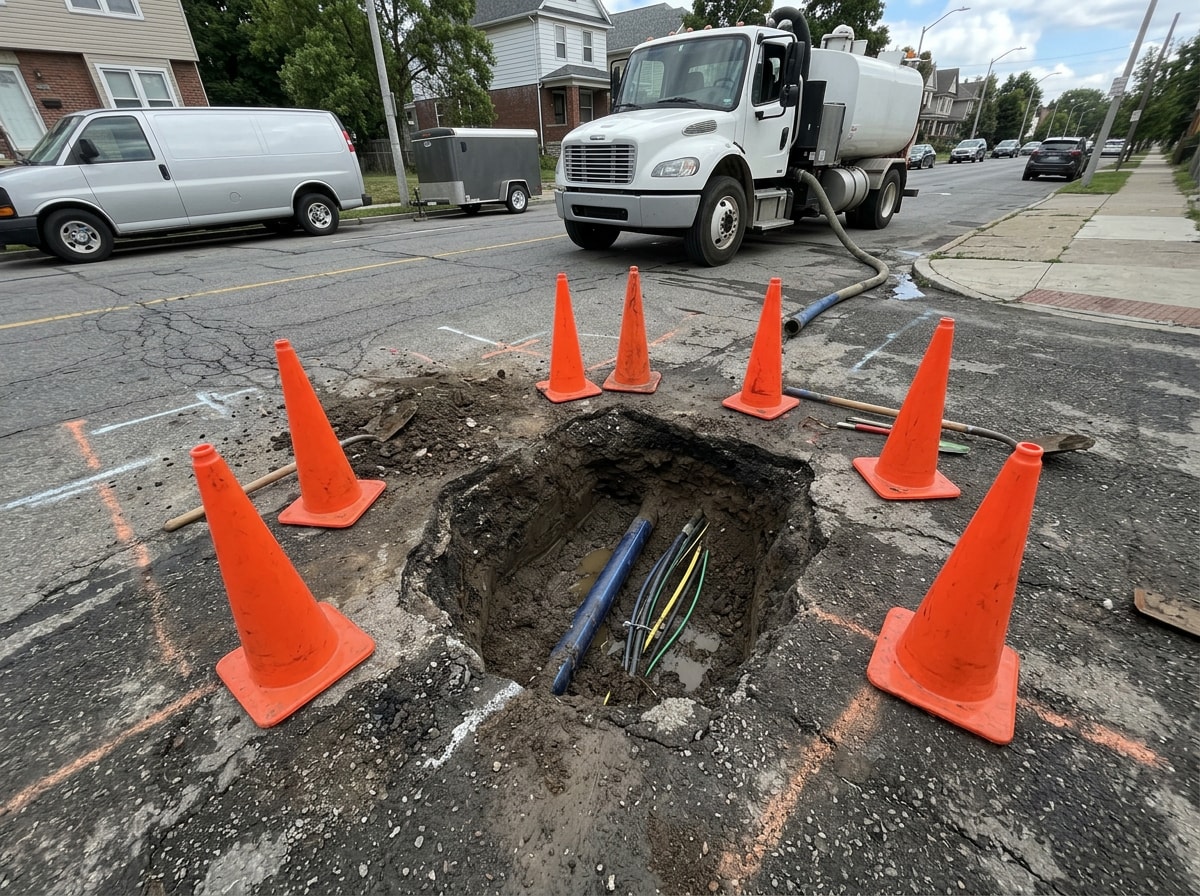
Before any of these jobs begins, a utility locate call is required by Pennsylvania law. Pennsylvania's One Call program requires homeowners and contractors to call 811 at least three business days before digging, and processed more than 1,095,000 excavation tickets statewide in 2025 alone. The national 811 Call Before You Dig campaign outlines the same process if you're coordinating work that crosses state lines.
FAQ
What is the main advantage of hydro excavation compared to traditional methods?
Hydro excavation's main advantage is precision. Pressurized water and vacuum extraction expose underground utilities without the blunt impact of mechanical digging. This significantly lowers the risk of striking pipes, cables, or conduit compared to backhoes or augers, making it the safer choice near existing infrastructure.
How much does it cost to rent a hydro excavation truck per day?
Daily rates typically run $1,500 to $5,000, depending on truck size, your region, and whether an operator is included. Weekly and monthly terms lower the effective daily cost, so a multi-day job is almost always cheaper billed by the week.
Is it cheaper to rent or buy a hydrovac truck?
For occasional or seasonal use, renting is cheaper. Buying only pays off once a truck is used heavily and consistently year-round, since a new unit runs $350,000 to $600,000 before maintenance, insurance, and storage. Most contractors who need hydro excavation for a handful of projects a year come out ahead renting.
How long can I typically rent a hydro excavation truck?
Rental periods usually run daily, weekly, or monthly, depending on your project's scope. Short, one-day jobs often use daily terms, while larger or ongoing projects tend to shift toward weekly or monthly agreements for better overall value.
Does the rental rate include an operator?
It depends on the rental type. Equipment-only rentals mean you supply a qualified operator, while operator-included rentals bundle a trained professional into the price. Operator-included options typically cost more but remove the burden of staffing and certification on your end.
Can hydro excavation trucks operate in all types of soil?
Most hydrovac units handle a wide range of soil conditions, but clay, rock, or frozen ground affect dig time and how much water is needed. Harder or denser soil generally means a slower, more water-intensive process, though it rarely rules out hydro excavation entirely.
Do I need to call 811 before hydro excavation work in Allegheny County?
Yes. Pennsylvania law requires anyone digging, including with a rented hydrovac truck, to contact 811 at least three business days ahead of the project so underground lines can be marked. This applies regardless of digging depth or whether the property is residential or commercial.