Construction project management services in Armstrong County, PA give property owners one accountable point of contact for budget, schedule, and site conditions, long before a crew ever breaks ground. Most delays and cost overruns on a commercial build trace back to decisions made (or missed) in the planning and site-development phase, not the framing phase. Here's what that oversight actually covers, who should be running it, and how it plays out on Armstrong County's rural and semi-rural sites specifically.
What Construction Project Management Covers
At its core, construction project management means coordinating every moving part of a build, design decisions, subcontractors, materials, inspections, under one accountable team instead of leaving owners to chase down updates from five different vendors.
CMAA's published competencies group professional construction management into Professional Practice, Project Management, Cost Management, Time Management, Quality Management, Contract Administration, and Safety Management . That's the industry-standard checklist. In practice, it means a manager reviewing bids one morning, walking the site with an inspector that afternoon, and flagging a schedule conflict before it reaches your desk.
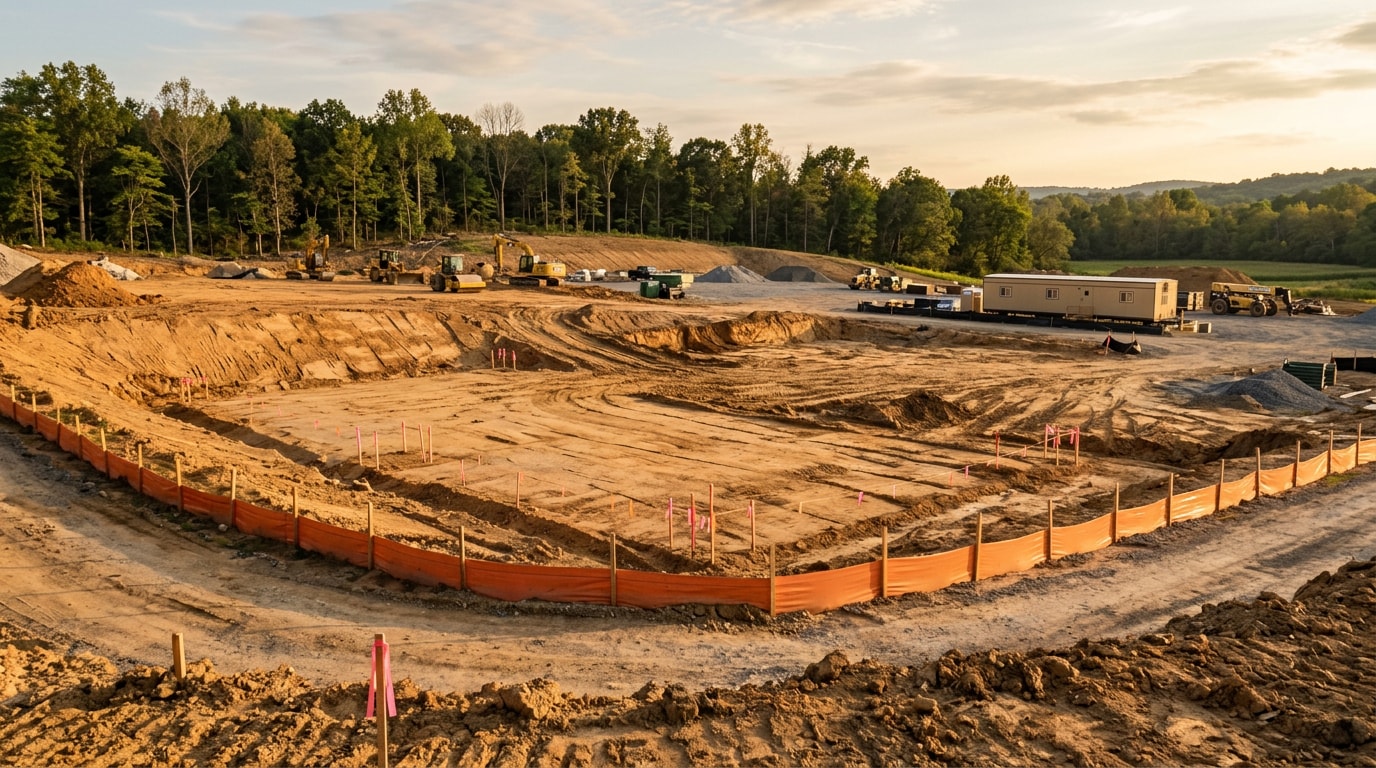
Pre-Construction Planning and Site Development
Most schedule and cost risk on a project gets locked in before any physical work starts. That's why pre-construction planning, site assessment, feasibility review, subcontractor coordination, and materials planning, deserves more attention than it usually gets.
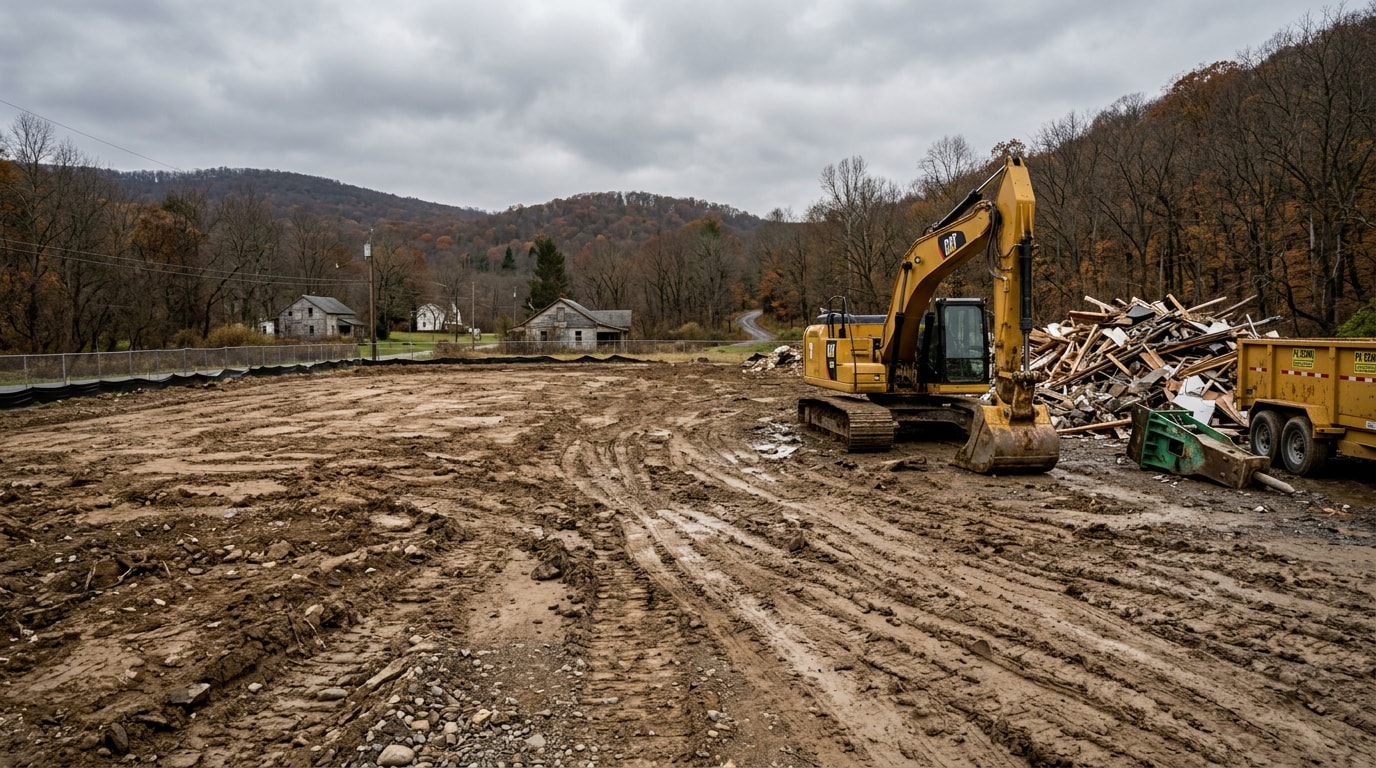
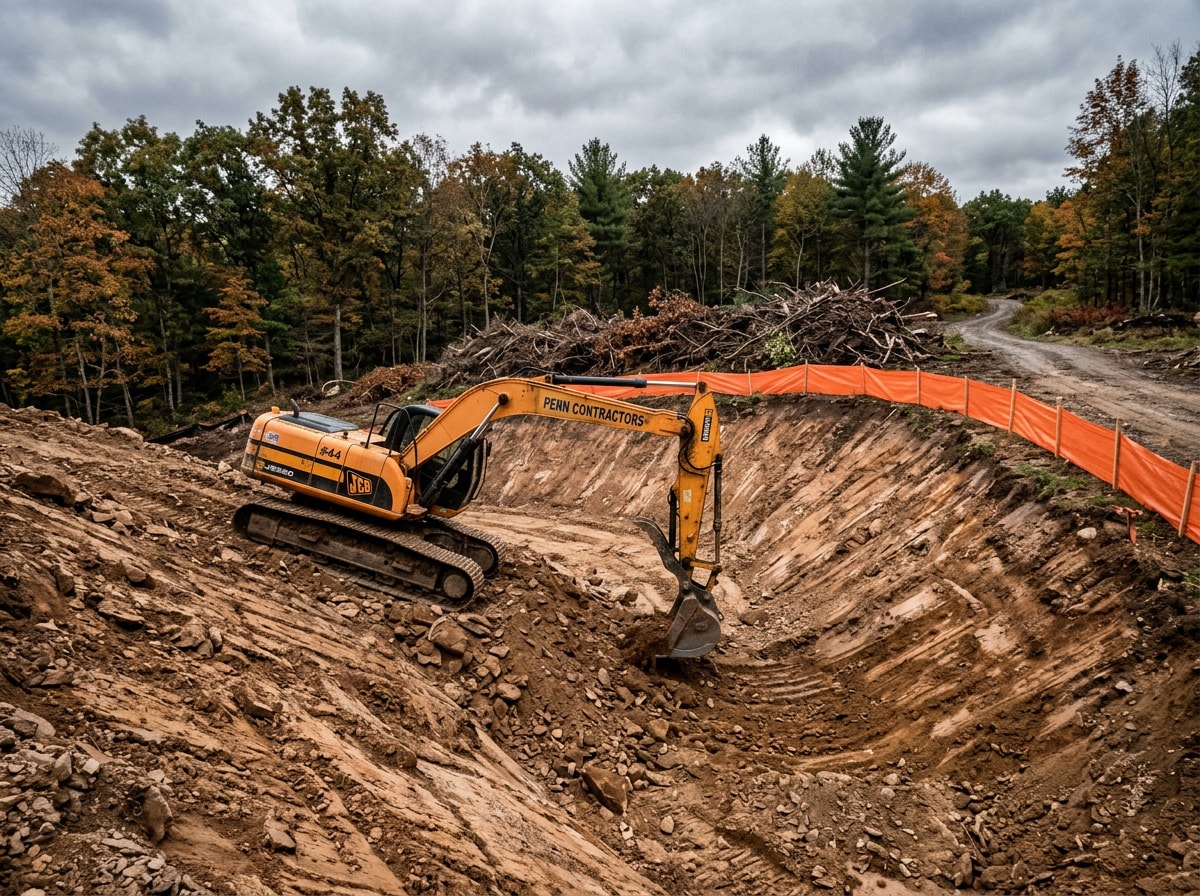
In Armstrong County's rural and semi-rural site conditions, this phase carries extra weight. Sloped terrain, sandstone-derived soils, and limited utility access in parts of the county can shift a timeline more than they would on a flat urban lot. A thorough site assessment up front catches these issues before they become change orders.
This is also where parallel cost estimates from the construction manager and an independent estimator, followed by a reconciliation meeting, lead to a truer picture of the project's potential costs . It's a standard value-engineering practice, and it's one we build into every pre-construction phase we manage.
Pre-construction planning on an Armstrong County project typically includes:
- Site assessment and soil/utility evaluation
- Feasibility and budget-alignment review
- Subcontractor qualification and coordination
- Materials planning and long-lead-item tracking
- Safety protocol setup before mobilization
Our crews handle the physical side of this phase directly through excavation and site preparation, site grading, land clearing, and drainage and utility installation, work that has to be sequenced correctly or it stalls everything built on top of it.
Common Project Types We Help Coordinate
Commercial construction project management covers a wide range of project types, and most owners' needs fall into one of a handful of categories:
- Retail and franchise buildouts
- Industrial and warehouse facilities
- Corporate and office spaces
- Healthcare facilities
- Community and worship buildings
- Tenant build-outs and renovations
Each type carries its own mix of permitting, tenant-coordination, and phasing challenges. A warehouse expansion needs different site and utility work than a medical office fit-out, which is why identifying the project type early changes how the pre-construction team scopes the job. If you're coordinating a ground-up build across the county line, our guide to new home construction in Allegheny County walks through a similar permitting and site-prep sequence.
Ready to scope your project? Get a free estimate before you lock in a design or a contractor.
Owner's Representative vs. General Contractor vs. CM-at-Risk
Owners frequently confuse these three roles, and the confusion gets expensive. An owner's representative works for the client's interests first, acting as an advocate rather than an extension of the contractor's crew. This person interprets decisions, flags risk early, and plugs into your existing team instead of replacing it.
A CM-at-Risk arrangement is different: at roughly 60% to 90% design completion, the owner and construction manager negotiate a guaranteed maximum price, and once that price is accepted, the construction manager effectively becomes the general contractor . The contractor then carries the cost risk for anything over that price.
| Model | Who It Serves | Who Holds the Risk |
|---|---|---|
| Owner's Rep / Agency CM | Owner directly | Owner retains decision control |
| CM-at-Risk | Owner, with contractor accountability | Contractor assumes cost risk above GMP |
| Traditional GC-led | Contractor manages execution | Contractor controls process |
For most commercial projects in Armstrong County, the agency model gives owners the clearest view of project risk and the most transparent relationship with their site team.
Our Site Development and Coordination Team
A capable project management team includes project managers, job site coordinators, and estimators working in close contact. Project managers own the schedule and budget, coordinators handle day-to-day logistics, and estimators keep costs aligned with the original scope.
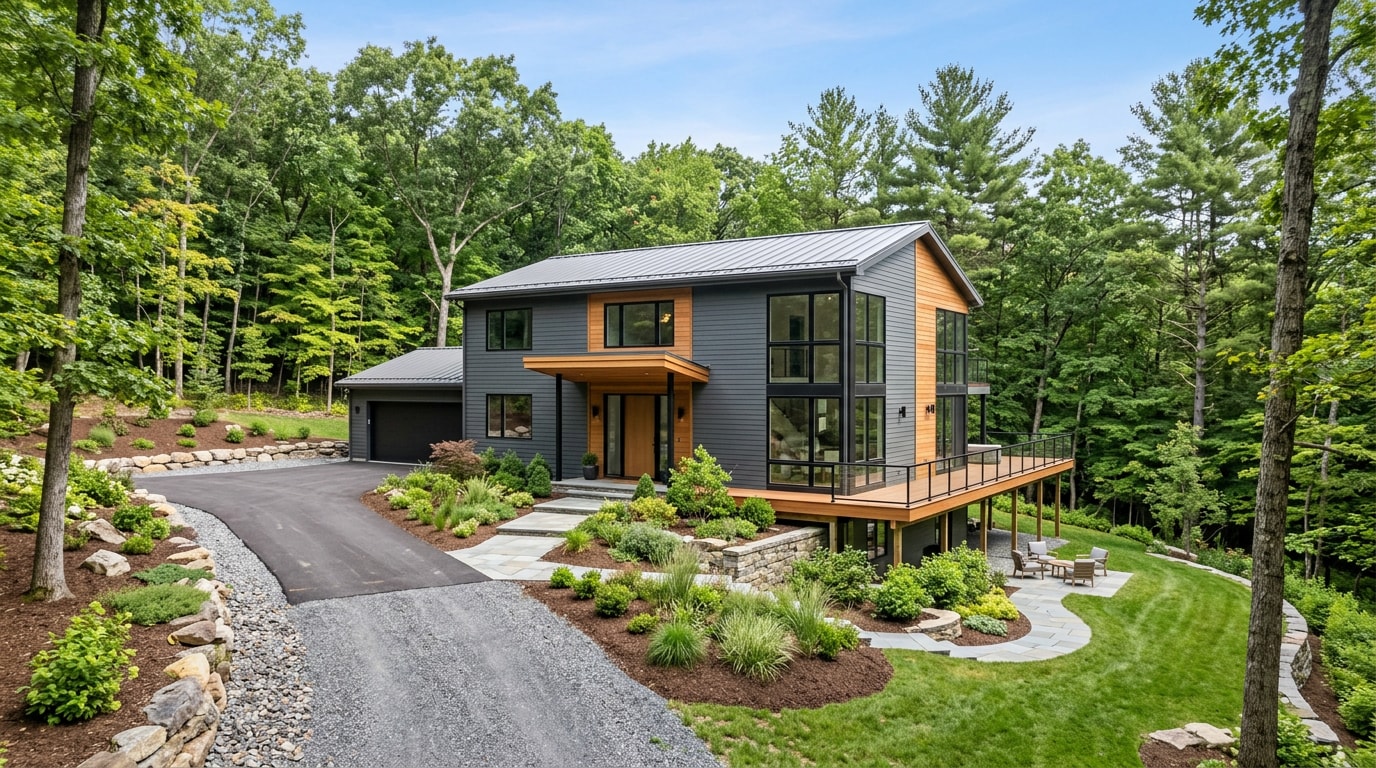
Adirondack Land Management's crews have handled excavation, grading, and drainage scopes on commercial and residential projects across Armstrong County for more than five years, working alongside general contractors and owners to keep the site-development side of a build on schedule. You can see examples of that work in our project gallery.
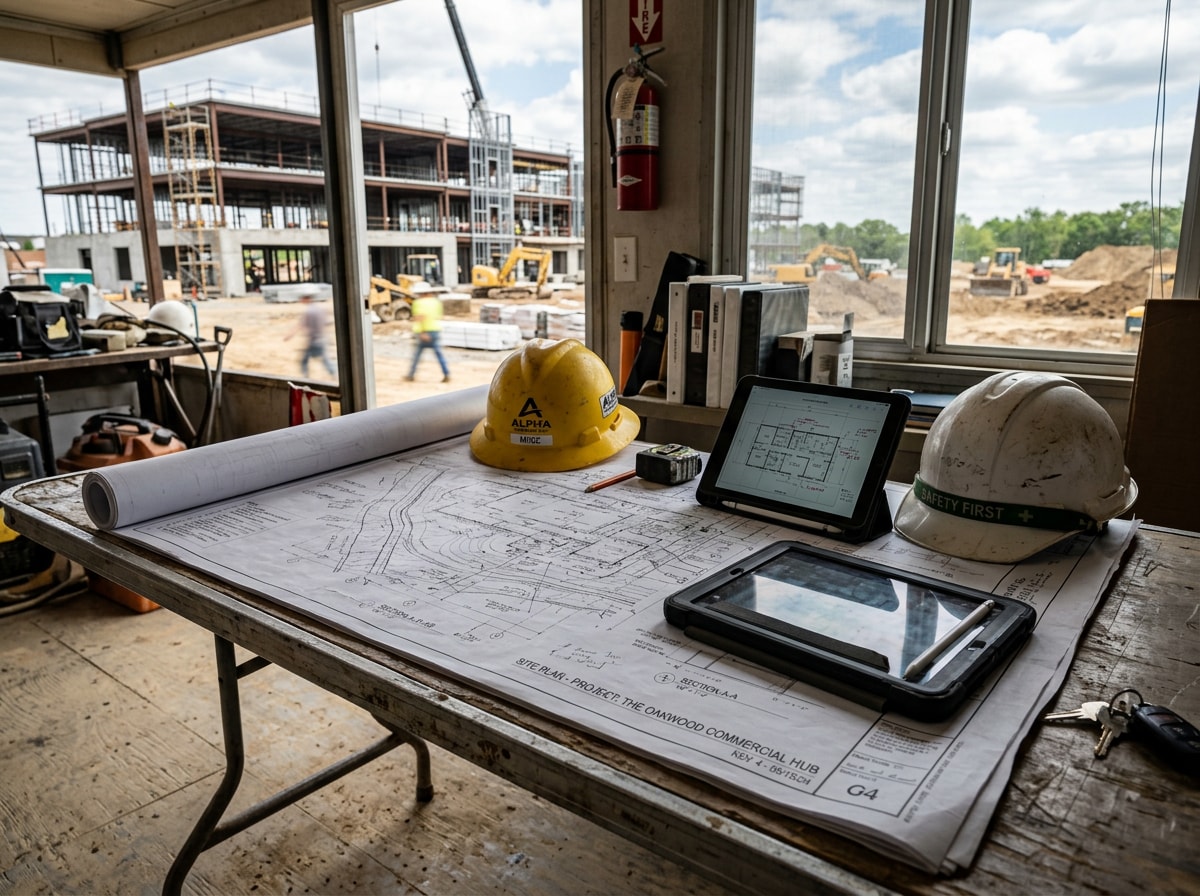
Regular coordination meetings and fast documentation turnaround keep owners informed without requiring daily site visits.
Tools and Training
Modern construction management software and scheduling tools help teams track budgets and timelines in real time, catching drift before it becomes a real problem. Ongoing staff training keeps estimators and coordinators current on new systems, codes, and safety standards.
Post-Construction Support and Transition
Completion of physical work isn't the finish line. Post-construction support typically covers:
- Building systems testing and commissioning
- Documentation of installations and warranties
- Staff training on new systems
- A post-occupancy evaluation to confirm performance matches design
Serving Armstrong County and Nearby Pennsylvania Counties
Our site-development and project coordination work covers Armstrong County, PA along with neighboring Allegheny County, Westmoreland County, Butler County, Indiana County, Washington County, Jefferson County, and Clarion County. Visit our homepage for a full rundown of services, or contact us to confirm coverage for your specific site.
FAQ
What is included in construction project management services?
Scope typically covers planning, scheduling, budget and cost control, quality assurance, and safety oversight across a project's full lifecycle, from pre-construction through post-occupancy.
How much do construction project management services cost?
Fee structures vary by delivery method, project size, and who holds the risk. A CM-at-Risk arrangement, which carries contractor-level risk above a guaranteed price, typically costs more than a straight owner's-rep agreement where the owner retains decision control. Ask any manager you're considering to lay out their fee structure in writing before you sign.
What's the difference between a construction manager and a general contractor?
A construction manager advises and oversees the full project on the owner's behalf. A general contractor executes the construction work and carries construction-phase risk directly.
What's the difference between an owner's representative and a general contractor?
An owner's representative works exclusively for the owner's interests from planning through closeout and never takes on construction risk. A general contractor is hired to build the project and is financially responsible for delivering it per the contract.
Do I need construction project management for a residential project in Armstrong County?
Smaller residential jobs often don't need a dedicated construction manager, but larger renovations, additions, or ground-up builds on rural lots benefit from the same pre-construction planning, especially site assessment and drainage planning, that commercial projects use.
Why do you need construction project management services?
Hiring a construction manager supports cost control, delay prevention, clearer communication, and stronger risk mitigation, all of which matter more on Armstrong County's rural sites where utility access and soil conditions vary widely from lot to lot.
What areas near Armstrong County do you serve?
Coverage extends into Allegheny, Westmoreland, Butler, Indiana, Washington, Jefferson, and Clarion counties. Check the areas page or contact us to confirm your address falls within range.