Hiring cladding contractors in Westmoreland County, PA means vetting for more than a low bid and a shiny brochure. Winters here put siding through repeated freeze-thaw stress that most quotes never account for, and the ground around your foundation often matters as much as the panels themselves. Here's what to check before you sign anything.
Key Takeaways
- Freeze-thaw winters stress cladding seams and fasteners hard, but verified climate data shows cycle counts vary by year and have actually trended down over the past two decades, not up.
- Repair works for isolated damage on siding under 15 years old with no moisture intrusion; replacement wins once siding passes 15-20 years or shows widespread damage.
- Vet contractors on active PA Home Improvement Contractor registration, manufacturer certification, and verified reviews, not just price.
- Grading and drainage around your foundation often decide how long even premium siding lasts, a step most siding-only quotes skip entirely.
- Always compare at least two or three quotes before committing to repair or full replacement.
Adirondack Land Management handles the site-work side of projects like this across the region. You can see our full service lineup on our homepage.
How Westmoreland County's Climate Affects Cladding Durability
Western Pennsylvania's weather does not sit still. Pennsylvania experiences a humid continental climate with cold, snowy winters and warm, humid summers, with meaningfully harsher winters in the Pocono and Allegheny regions than in Philadelphia and the southeast corridor. That means siding has to handle humid summer swelling and hard winter contraction in the same calendar year.
Every swing across the freezing mark counts as a freeze-thaw cycle. A freeze-thaw cycle (FTC) occurs when air temperature drops low enough to freeze water (32°F), then increases enough for it to thaw again. Each cycle works moisture trapped behind siding, flexing seams, caulking, and fasteners.
You'll see wildly different freeze-thaw counts quoted online for this region, and that's partly because the number moves year to year. New U.S. Climate Normals from NOAA encompass temperature and precipitation averages for the last three decades, 1991–2020. Longer-term tracking from the University of Michigan's regional climate program adds a wrinkle most local siding blogs skip: FTCs have become notably less frequent region-wide in the most recent two decades (2000s and 2010s). The stress is still real, but it's not accelerating the way some contractor marketing implies.
Add in older boroughs built before modern house-wrap standards became common, and installation quality starts to matter more than the material label on the box.
Which Cladding Material Holds Up Best Here?
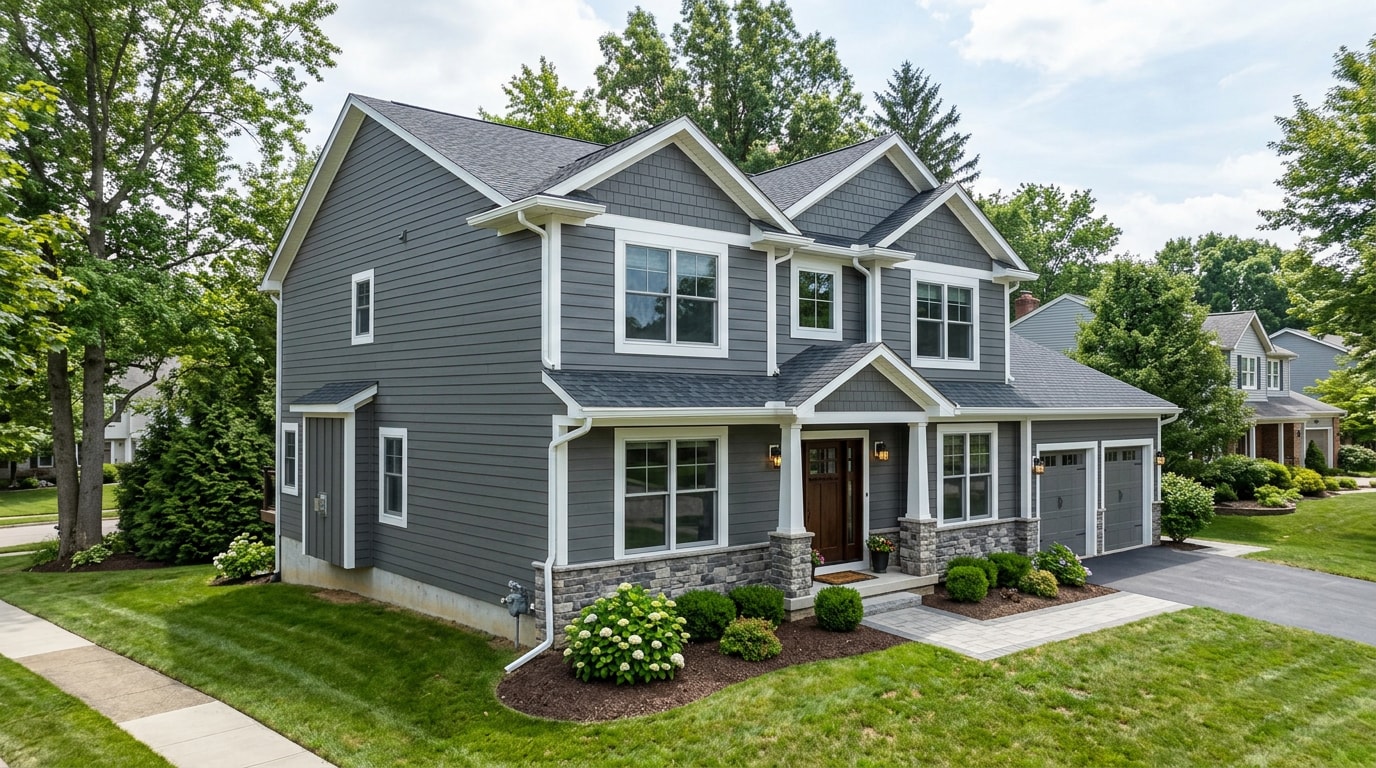
Material choice affects how well siding tolerates expansion and contraction. Here's how the common options compare for Westmoreland County conditions.
| Material | Freeze-Thaw Tolerance | Typical Lifespan | Installed Cost (per sq ft)* |
|---|---|---|---|
| Vinyl | Fair when hung loose for expansion | 20-30 years | $3-$8 |
| Insulated Vinyl | Good; added rigidity limits warping | 20-30 years | $6-$12 |
| Fiber Cement | Excellent; minimal expansion/contraction | 25-40+ years | $9-$15 |
| Engineered Wood | Good impact resistance, moderate stability | 20-30 years | $7-$12 |
*Estimates vary widely by contractor, home size, and material grade. Treat this as a starting point, not a quote.
Repair or Replace? Start With This Checklist
Not every damaged section needs a full tear-off. Work through this before you call anyone:
- Isolated cracks on one section, siding under 15 years old, matching panels available → repair is usually enough.
- Siding 15-20+ years old and brittle to the touch → start pricing replacement.
- Buckling, bubbling, or soft spots near seams → get it inspected before doing anything else.
- Matching panels discontinued → full replacement often wins on cost once you factor in color-matching headaches.
- Damage spans multiple walls, not just one section → replacement is almost always the better long-term move.
What to Look for When Vetting a Cladding Contractor
A few checks separate a reliable contractor from one who underbids and disappears mid-project.
- Verified reviews across platforms. Patterns across Google, BBB, and Angi matter more than a single five-star post.
- Active PA Home Improvement Contractor registration.
Registration is required under HICPA (73 P.S. § 517.3) for any contractor who performs more than $5,000 per calendar year in home improvement work on private residences in Pennsylvania.
To verify the registration of a home improvement contractor, go to the Registered Contractors section of the PA Attorney General's website.
- Manufacturer certification. Training from CertainTeed, James Hardie, or Owens Corning affects warranty coverage if something fails down the line.
- A real local track record. Ask how long they've worked specifically in Westmoreland County and whether they handle repairs, full replacements, or both.
- Multiple quotes. Compare at least two or three bids before signing, and ask each contractor to walk you through what's included.
If your project also touches site work like grading or a drainage fix, get a free estimate from our crew before your siding contractor breaks ground, so both scopes line up instead of conflicting.
The Site-Work Factor Most Siding Quotes Skip: Grading and Drainage
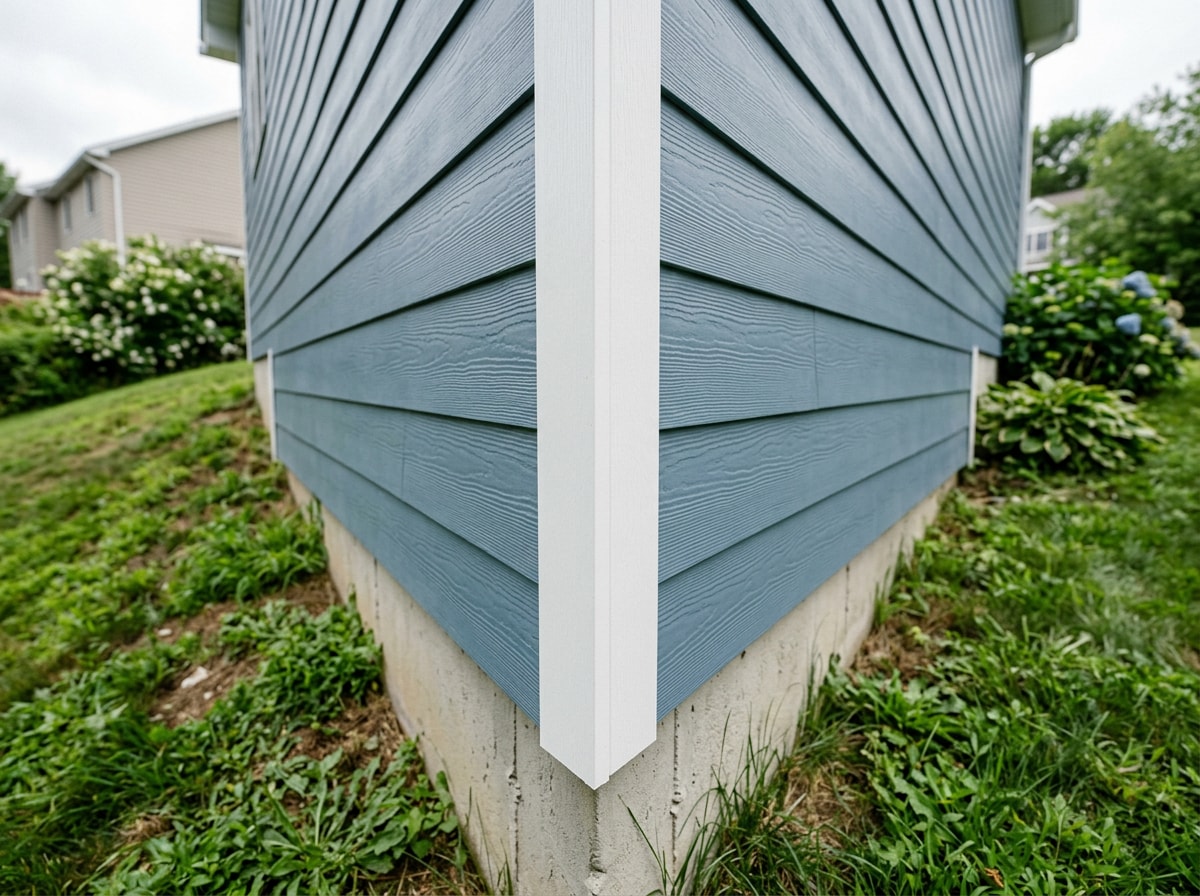
Most cladding quotes price panels, trim, and labor. Almost none of them price where water goes after it leaves the wall, and that's a problem on Westmoreland County's hilly, clay-heavy lots.
Here's what commonly undercuts a brand-new siding job from below:
- Negative grading that pushes rain and snowmelt toward the house instead of away from it, soaking the bottom courses of siding first.
- Undersized or clogged drainage that forces groundwater up against the foundation instead of around it.
- Downspouts that dump water right at the base of a wall, creating a permanently wet zone no siding material survives long-term.
In our own grading and drainage work across the county, we've reworked yards years after a siding replacement because the original estimate never touched the drainage problem that was quietly rotting the wall from the bottom up. New panels don't fix a grading problem; they just hide it for a while.
Before signing a siding contract, especially on an older lot or after a major regrade, it's worth having your Site Grading or Land Grading checked, along with a French Drain Installation or Drainage System Installation wherever water pools near the foundation. If the lot needs significant regrading first, our Excavation Service covers that scope too.
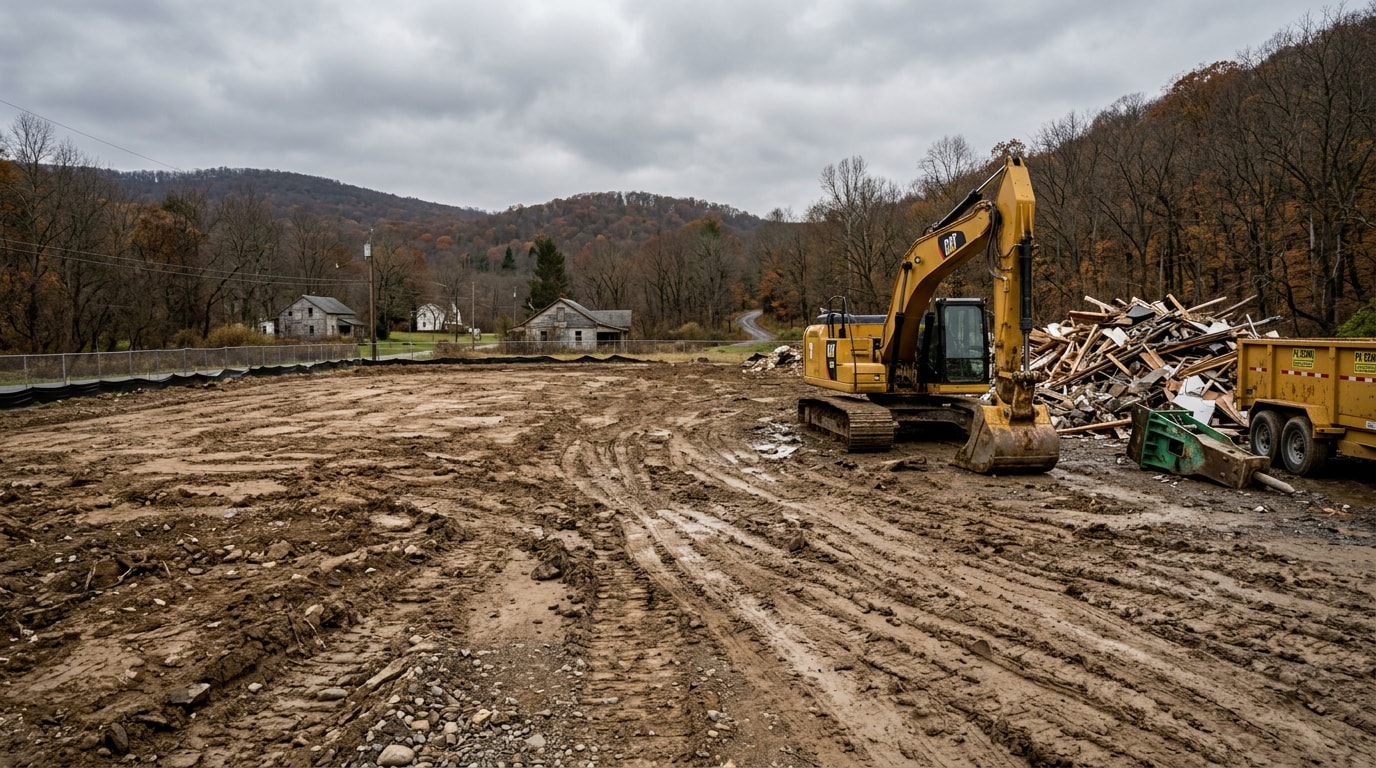
Planning new construction instead of a renovation? This groundwork happens before cladding ever goes up. See our related guide, Light Builders Jefferson County, PA: What to Know Before You Break Ground in 2026, for what to plan before the foundation is even poured. You can also browse recent grading and drainage work in our project gallery.
What Happens If You Ignore Siding Damage
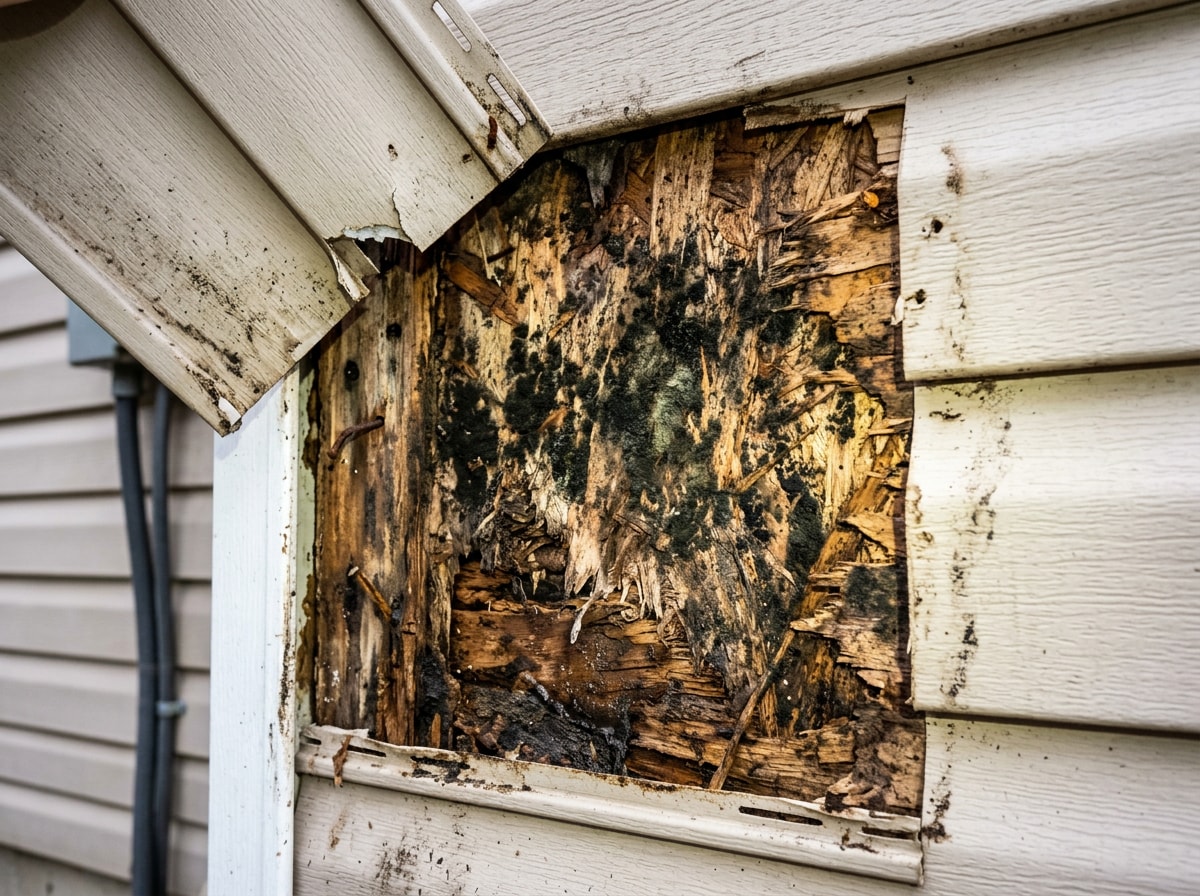
Ignoring cracked or gapped siding starts a chain reaction fast. Water finds its way behind panels within a single storm season, and interior signs like bubbling paint can show up within weeks in humid conditions.
From there, wet insulation drives up energy bills and wood framing begins to rot. It is important to dry water-damaged areas and items within 24-48 hours to prevent mold growth , according to EPA guidance, which gives you a sense of how little time standing moisture behind a wall actually needs before mold becomes part of the problem.
Landscaping plays a bigger role here than most homeowners expect. Overgrown brush, ivy, or shrubs pressed directly against siding trap moisture against the panel and accelerate rot, a landscaping issue as much as a siding one. Clearing that buffer with Vegetation Removal or an Overgrown Property Cleanup is often cheaper than the siding repair it prevents.
FAQ
Do I need a permit to replace siding or cladding in Westmoreland County, PA?
Permit rules and fees vary by township, especially when structural sheathing work is involved. Confirm with your local building department before starting; check our Westmoreland County, PA service area page for how we coordinate on projects in your township.
What is the average cost to replace siding in Westmoreland County?
Costs depend heavily on material and scope. Vinyl generally runs cheapest per square foot, fiber cement and engineered wood run higher, and full-house replacements cost more than single-wall repairs. Get at least two local quotes since pricing shifts with material grade and contractor overhead.
Does damaged siding affect home value?
Yes. Buyers and appraisers often read visible siding damage as a sign of hidden structural issues, which hurts curb appeal and resale value. Repairing or replacing cladding before listing is usually a practical investment.
How long can you leave damaged siding before it causes serious problems?
A single storm season is enough for water infiltration to begin. Left unaddressed for several months, that moisture typically leads to rot and mold behind the wall, often before homeowners notice any interior signs.
Does yard drainage really affect how long my siding lasts?
Yes, more than most homeowners realize. Poor grading or a failing drain system keeps the bottom of your walls wet long after a storm passes, which shortens the life of any cladding material regardless of brand or installer.
What's the difference between cladding and siding?
In residential construction, the terms are used interchangeably. "Cladding" is the broader industry term for any exterior wall covering, while "siding" is the common term homeowners use for the same thing on houses.