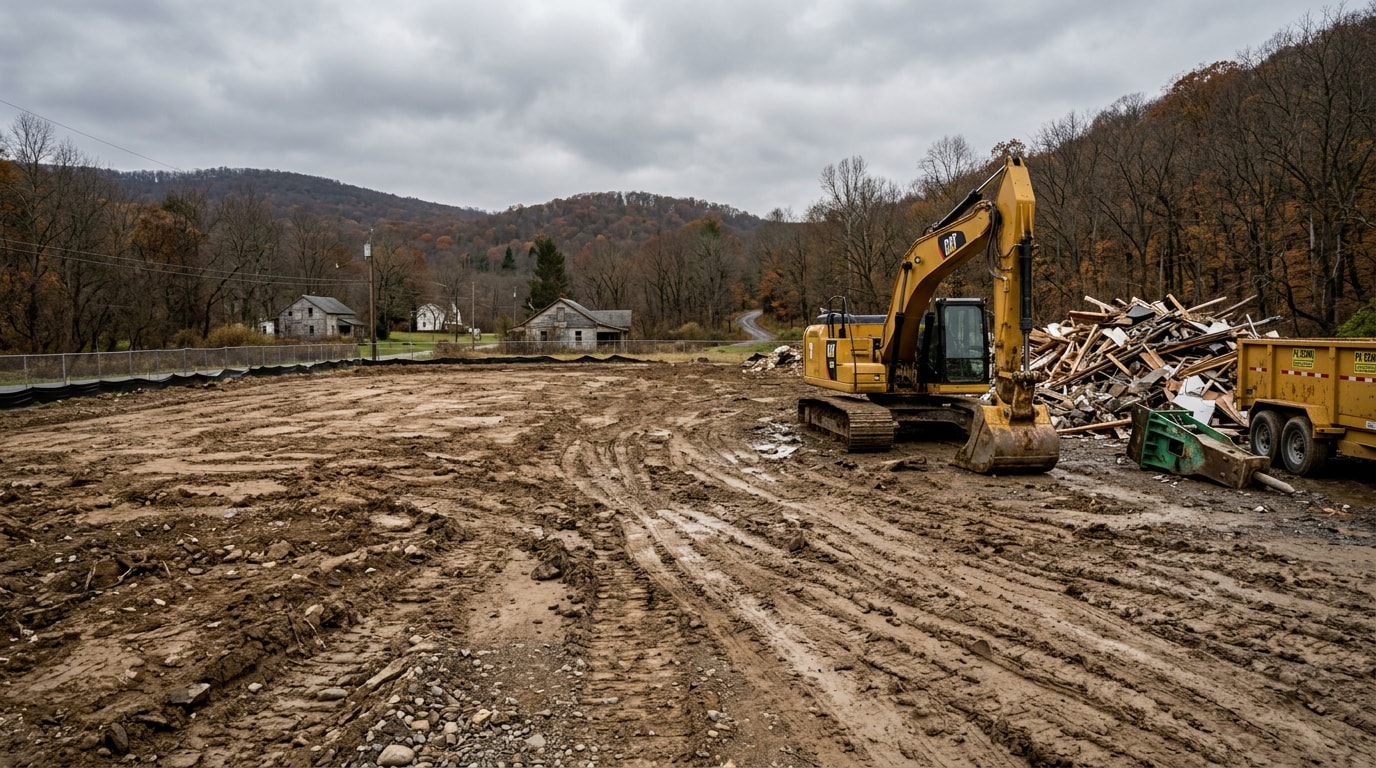
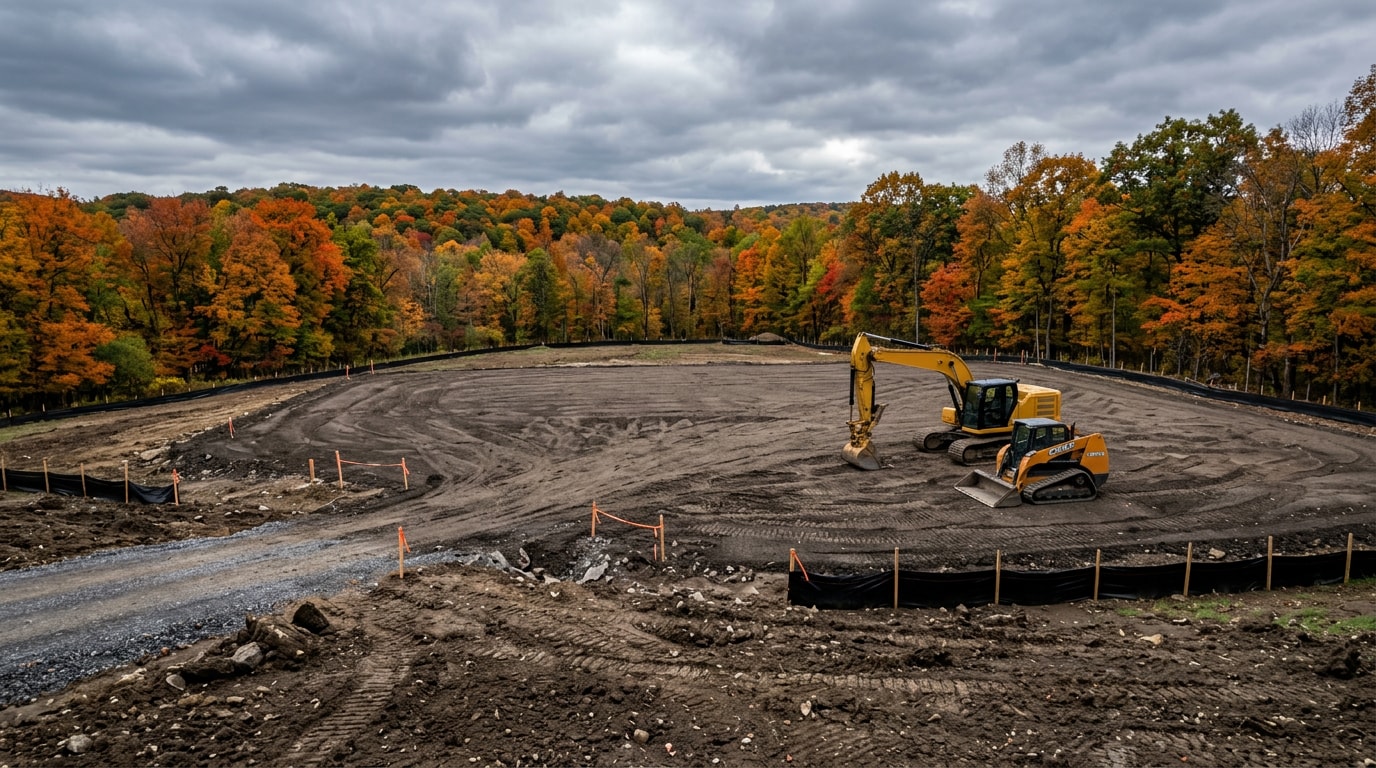
Hiring site work contractors in Butler County, PA means trusting someone with the ground your entire project sits on. A bad grading job or a severed utility line can cost thousands to fix after the fact. Here's what to check before you sign a contract, from crew experience to the permit rules specific to your township.
What Site Work Actually Covers
"Site work" isn't one task. It's the sequence of ground-level prep that has to happen before a foundation, driveway, or utility hookup can go in. On most Butler County projects, that includes:
- Land clearing and tree/brush removal
- Rough and finish grading
- Erosion and sediment control
- Utility trenching for water, sewer, or gas lines
- Drainage installation (French drains, catch basins, yard grading)
- Driveway and building pad preparation
If a company only handles one or two of these, you'll likely end up coordinating multiple crews yourself, which adds scheduling risk and finger-pointing if something goes wrong at a handoff point.
Check Experience and Local Project History
A contractor's history tells you how they'll handle your site. Firm-level experience, meaning years in business and variety of project types, matters. So does team-level experience: the people actually running excavators and setting grade on your lot.
Ask to see a project portfolio of completed jobs around Butler, Cranberry Township, or Saxonburg. On the lots we've graded across these townships, the soil tells a different story almost every time, clay-heavy pockets near Saxonburg hold water differently than the sandier sections closer to Cranberry, and a crew that's worked both knows what to expect before the first bucket of dirt moves. Check a completed projects page to confirm a contractor's work matches the scale and type of job you're planning.
Confirm the Service List Matches Your Project
The right contractor should cover the full range of site preparation work. Before requesting quotes, confirm they actually handle:
- Land clearing and lot clearing
- Site grading and site preparation
- Trench excavation
- French drain installation and other drainage system installation
Grading does more than make a lot look tidy. It protects your foundation from water pooling and directs runoff away from structures. A contractor who plans drainage before they ever touch the grading plan saves homeowners and builders from repair bills that surface a year or two later.
Ask About Equipment and Technology
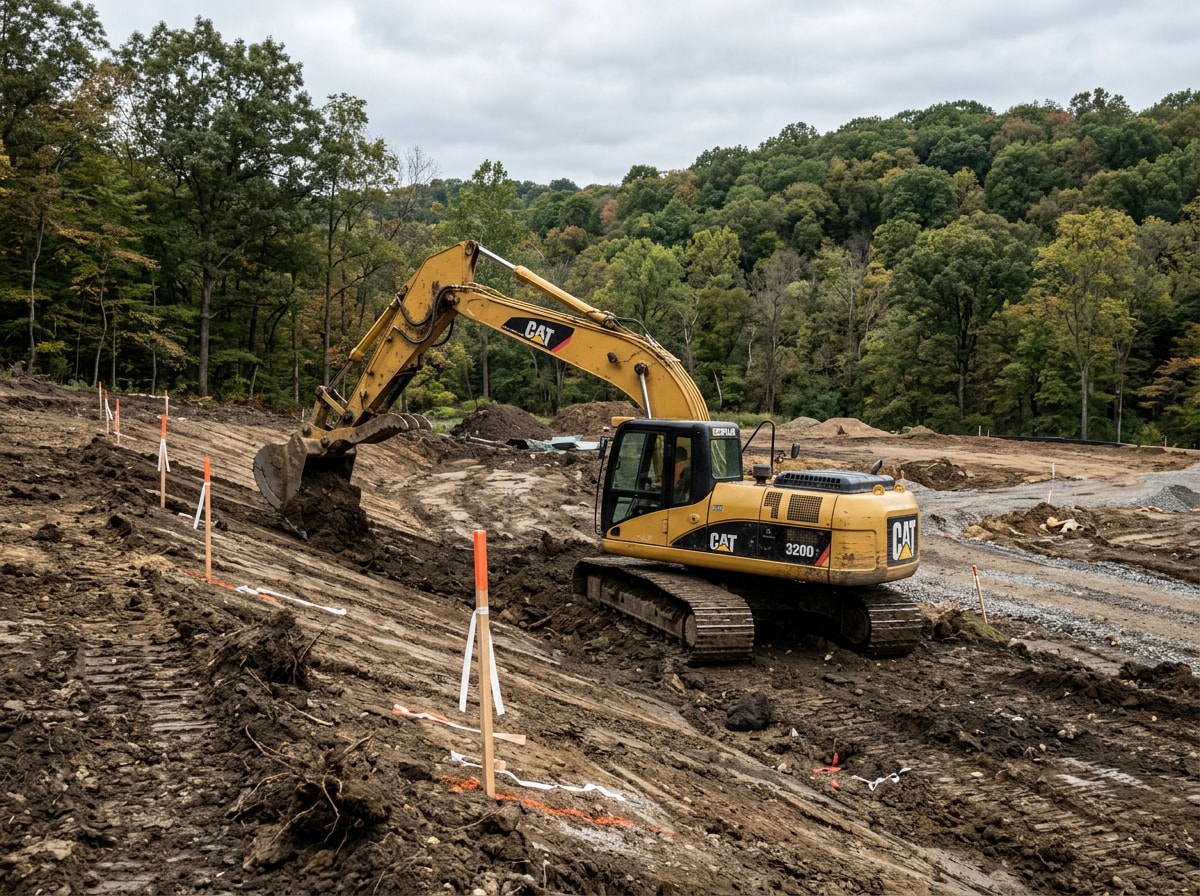
Find out whether the fleet is owned or rented. Owned equipment, excavators, dozers, and compactors, usually means fewer scheduling delays because the contractor isn't waiting on a rental yard. GPS grading technology also matters: it lets crews hit precise elevations on the first pass instead of relying on guesswork and repeat surveys.
Backup equipment is worth asking about too. A contractor running a single aging machine with no backup plan can stall your timeline the moment something breaks down mid-project.
Verify Licensing, Bonding, and Insurance
A legitimate contractor carries proper licensing, bonding, and liability insurance, and hands over proof without hesitation. In Pennsylvania, the licensing question is more specific than a simple yes-or-no check.
Contractors performing $5,000 or more of home improvements a year must register under HICPA , Pennsylvania's Home Improvement Consumer Protection Act. That registration requirement applies to home improvement work on existing residences; "home improvement" covers repair, replacement, remodeling, demolition, renovation, or installation to a private residence, but this does not include the construction of new homes . So a contractor grading a vacant lot for new construction may not need HICPA registration for that scope, but the same crew doing a driveway regrade or drainage fix on an existing property does.
On top of that, Butler County isn't one uniform jurisdiction. Butler City, individual townships, and the county's unincorporated areas each set their own permit rules for grading and excavation. A contractor working across these areas should already know which municipality requires what before breaking ground. You can verify a contractor's HICPA registration through the PA Office of Attorney General's contractor registration page.
Insurance and Liability Coverage
Liability coverage should protect you if excavation work damages property or strikes an underground utility. Ask for a current insurance certificate naming adequate coverage limits, and confirm property protection extends to neighboring structures, not just the direct job site.
Review Safety Record and OSHA Compliance
A contractor's safety record is a direct window into how they'll run your job site. Ask for their Experience Modification Rate (EMR), a numeric score insurers use to measure past injury claims, along with recent OSHA 300/300A logs showing recordable incidents.
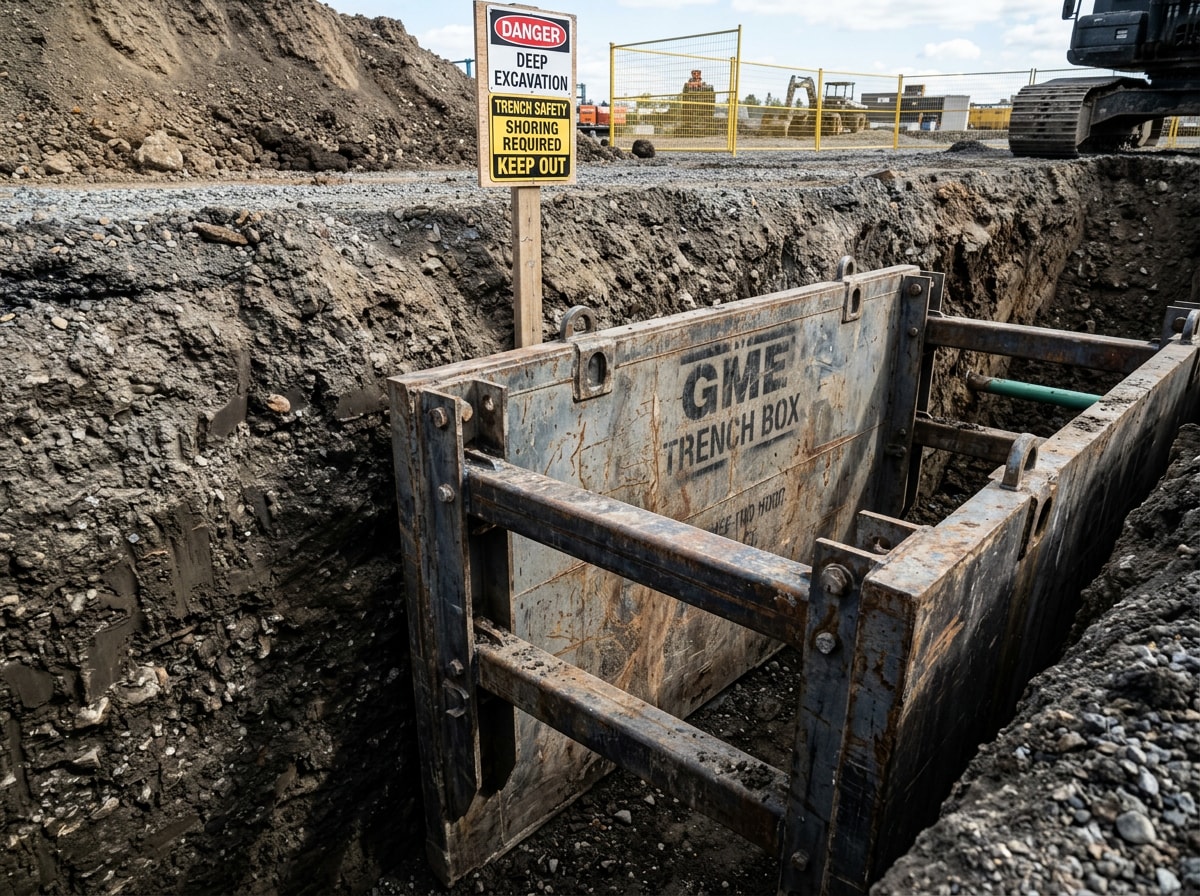
OSHA compliance isn't optional on excavation sites, where trench collapses and equipment hazards are real risks. 29 CFR 1926.650, 29 CFR 1926.651, and 29 CFR 1926.652 are the applicable OSHA standards for this work. A contractor serious about jobsite safety will have documented protocols and can explain how crews are trained to meet those excavation and trenching rules; you can review the OSHA trenching and excavation safety overview yourself before you ask.
Evaluate Communication and Preconstruction Planning
Bringing a contractor into preconstruction planning early often prevents expensive surprises. Site work contractors who review plans before excavation starts can flag drainage issues, soil concerns, or access problems that architects sometimes miss.
Once work begins, transparency matters just as much. Look for contractors who provide regular updates, respond quickly to questions, and explain changes to scope or schedule before they happen, not after the invoice arrives.
Compare Price, Payment Terms, and Timelines
The lowest bid isn't always the best deal. Compare estimates on what's included, not just the bottom-line number. Unclear payment terms or vague scope language often lead to change orders later.
| Cost Factor | Why It Moves the Price |
|---|---|
| Soil type and drainage | Clay-heavy or saturated soil needs more handling time and may require added drainage work |
| Site access | Tight lots or long driveways slow equipment mobilization and material delivery |
| Acreage and clearing density | Heavily wooded or overgrown lots take longer to clear than open ground |
| Utility depth and routing | Deeper trenches or longer utility runs add equipment time and shoring needs |
| Season | Spring saturation and winter freeze both affect how fast crews can work safely |
Project timelines in Pennsylvania need realistic buffers. Wet spring conditions and winter freeze can delay excavation by weeks, so a contractor who builds seasonal timing into the schedule is being honest, not slow. Ready to compare options? Request a free estimate to see how quotes and timelines actually stack up against each other.
Free Estimates and Planning
A thorough free estimate should cover full project scope, an on-site evaluation, and realistic timing based on the season. If an estimate skips the on-site visit entirely, treat that as a red flag before you commit to a schedule.
Why Local Experience in Butler County Matters
Local knowledge saves time and money on site work. A contractor familiar with the area already understands municipal permit variations between townships, the clay-heavy soil conditions common across parts of the county, and the freeze-thaw patterns that shift excavation timing every year.
A site work contractor who's worked across Butler County's townships can anticipate issues an outside crew might miss entirely. Check a Butler County service area page to confirm a contractor actively works in your specific township. If you're also lining up a builder after site work wraps, our Butler County home builders guide covers what to expect once the lot is ready.
About This Guide
This guide is maintained by the site work crew at Adirondack Land Management, who grade, clear, and prep building lots across Butler County and the surrounding western Pennsylvania counties every week. The checklist above reflects the same questions we'd want answered before letting any crew near our own property. If you want a second set of eyes on a bid you've already received, contact us and we'll walk through it with you.
FAQ
How Do I Choose a Site Work Contractor in Butler County, PA?
Check experience and project portfolio first, then verify licensing, bonding, and insurance. Review equipment, safety record, and communication style, and compare estimates on scope rather than price alone. This checklist covers the core factors that separate reliable site work contractors from risky hires.
What Does Site Work Include?
Site work covers land clearing, grading, erosion control, utility trenching, drainage installation, and building pad or driveway preparation. It's everything that happens to the ground before a foundation, road, or utility hookup goes in.
How Much Does Site Work Cost in Butler County, PA?
Cost varies widely based on acreage, soil conditions, site access, and project scope. A small driveway grading job costs far less than clearing and prepping a multi-acre building site. Get a site-specific estimate rather than relying on general excavation cost figures.
Do I Need a Permit for Grading or Excavation Work in Butler County, PA?
Permit requirements depend on which municipality your property sits in, since Butler City, individual townships, and unincorporated areas each have separate rules. Homeowners and contractors must call 8-1-1 at least three business days before starting any digging or excavation project, as required by law . Check PA One Call's 811 requirements before any digging begins, and ask your contractor which township permits apply to your parcel.
How Long Does Site Prep Take Before Construction Starts?
Most residential site prep runs one to three weeks depending on clearing density, grading scope, and weather. Add time in early spring or deep winter, when wet or frozen ground slows equipment and compaction work.